Top Trends in Enterprise Transportation Programs: What to Expect
DY
Embracing Technology in Transportation
The landscape of enterprise transportation programs is rapidly evolving, primarily due to technological advancements. One of the most significant trends is the integration of artificial intelligence and machine learning to optimize routes, reduce fuel consumption, and enhance safety. Companies are investing in smart fleet management systems that provide real-time data analytics, enabling them to make data-driven decisions.

Additionally, the use of telematics is becoming increasingly prevalent. These systems track vehicle location, speed, and other critical factors, offering insights that can lead to improved efficiency and reduced operational costs. As these technologies become more accessible, even small and medium enterprises are adopting them to stay competitive.
Sustainability and Green Initiatives
Another major trend is the push towards sustainability. Enterprises are under pressure to reduce their carbon footprint, leading to the adoption of electric vehicles (EVs) and hybrid models. This shift not only helps in achieving environmental goals but also results in long-term cost savings due to reduced fuel consumption.
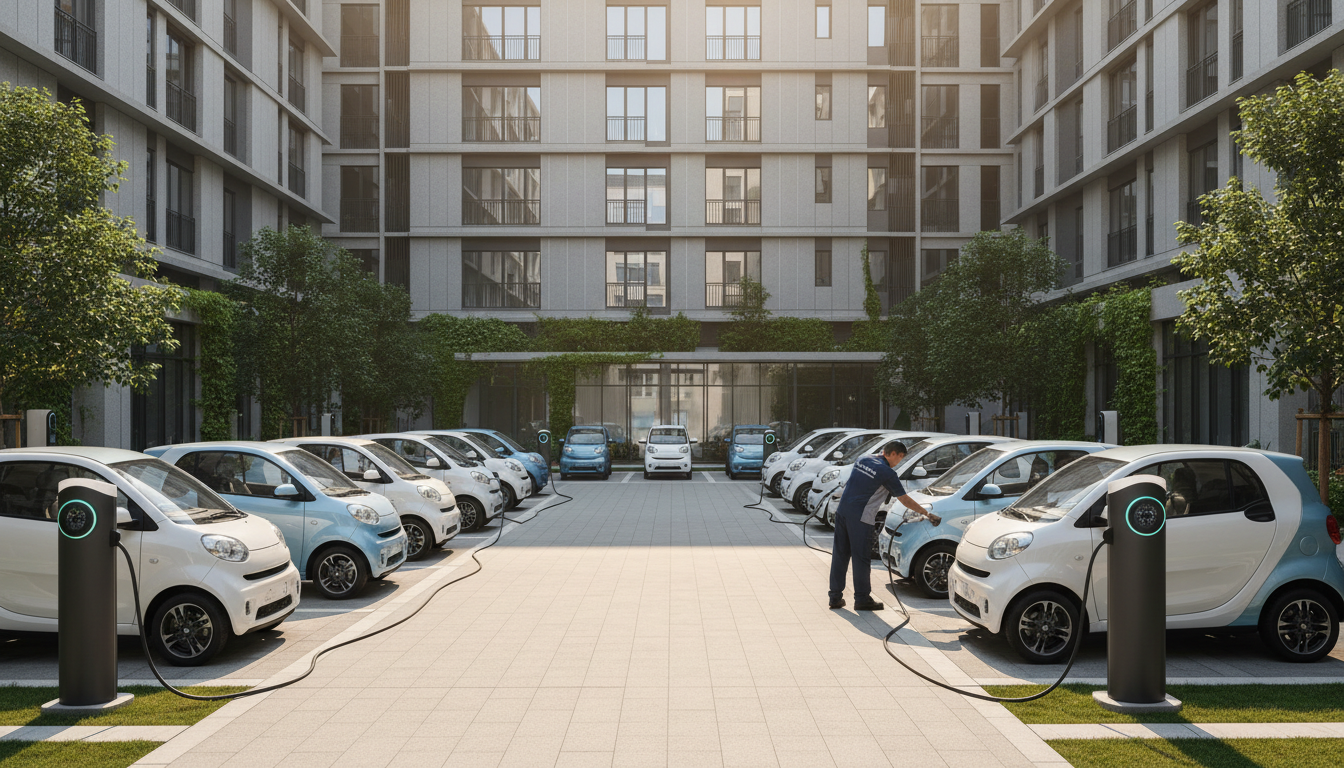
Furthermore, companies are exploring alternative fuels such as biodiesel and compressed natural gas (CNG). These options are not only eco-friendly but also offer a viable solution to the fluctuating prices of traditional fuels. The focus on sustainability is expected to grow, with organizations striving to meet regulatory requirements and consumer expectations.
Enhanced Safety Measures
Safety is a perennial concern in transportation, and enterprises are implementing advanced safety technologies to protect their assets and personnel. The use of collision avoidance systems, lane departure warnings, and adaptive cruise control is becoming standard in modern fleets. These technologies contribute to reducing the risk of accidents and ensuring the well-being of drivers.

Moreover, driver training programs are being revamped to include virtual reality (VR) simulations. These immersive experiences allow drivers to practice handling various scenarios in a controlled environment, enhancing their skills and confidence on the road.
Flexible Mobility Solutions
With the rise of the gig economy and remote work, enterprises are rethinking traditional transportation models. There's a growing demand for flexible mobility solutions that cater to hybrid work schedules and decentralized teams. Car-sharing and ride-hailing services are being integrated into corporate transportation programs, offering employees more options and convenience.
This shift towards mobility as a service (MaaS) is revolutionizing how companies manage their transportation needs. By leveraging these services, businesses can reduce the costs associated with maintaining their fleets while providing employees with greater flexibility.
Conclusion
The trends in enterprise transportation programs highlight the industry's dynamic nature and the continuous push towards innovation. By embracing technology, prioritizing sustainability, enhancing safety, and adopting flexible solutions, enterprises can navigate the challenges of today’s transportation landscape effectively. As these trends evolve, staying informed and adaptable will be key to maintaining a competitive edge.