The Ultimate Guide to Transportation Management Solutions
DY
Introduction to Transportation Management Solutions
In today's fast-paced world, efficient transportation management is crucial for businesses aiming to streamline their logistics and supply chain operations. Transportation Management Solutions (TMS) offer a comprehensive platform to manage, optimize, and execute the physical movement of goods. This guide will explore the key aspects of TMS and how it can benefit your business.

What is a Transportation Management Solution?
A Transportation Management Solution is a software platform designed to simplify the complexities of logistics and transportation processes. It provides businesses with tools to plan, execute, and optimize the movement of goods, ensuring cost-effective and timely deliveries. By integrating with existing systems, TMS enhances visibility and control over the entire supply chain.
Key features of TMS include route optimization, load planning, freight audit and payment, and real-time tracking. These features help businesses reduce costs, improve delivery times, and increase customer satisfaction.
Benefits of Implementing TMS
Implementing a TMS offers numerous benefits to businesses. Here are a few of the most impactful advantages:
- Cost Reduction: By optimizing routes and improving efficiency, TMS can significantly reduce transportation costs.
- Enhanced Visibility: Real-time tracking and reporting provide greater insight into shipment status and potential disruptions.
- Improved Customer Satisfaction: Reliable and timely deliveries enhance customer experience and loyalty.
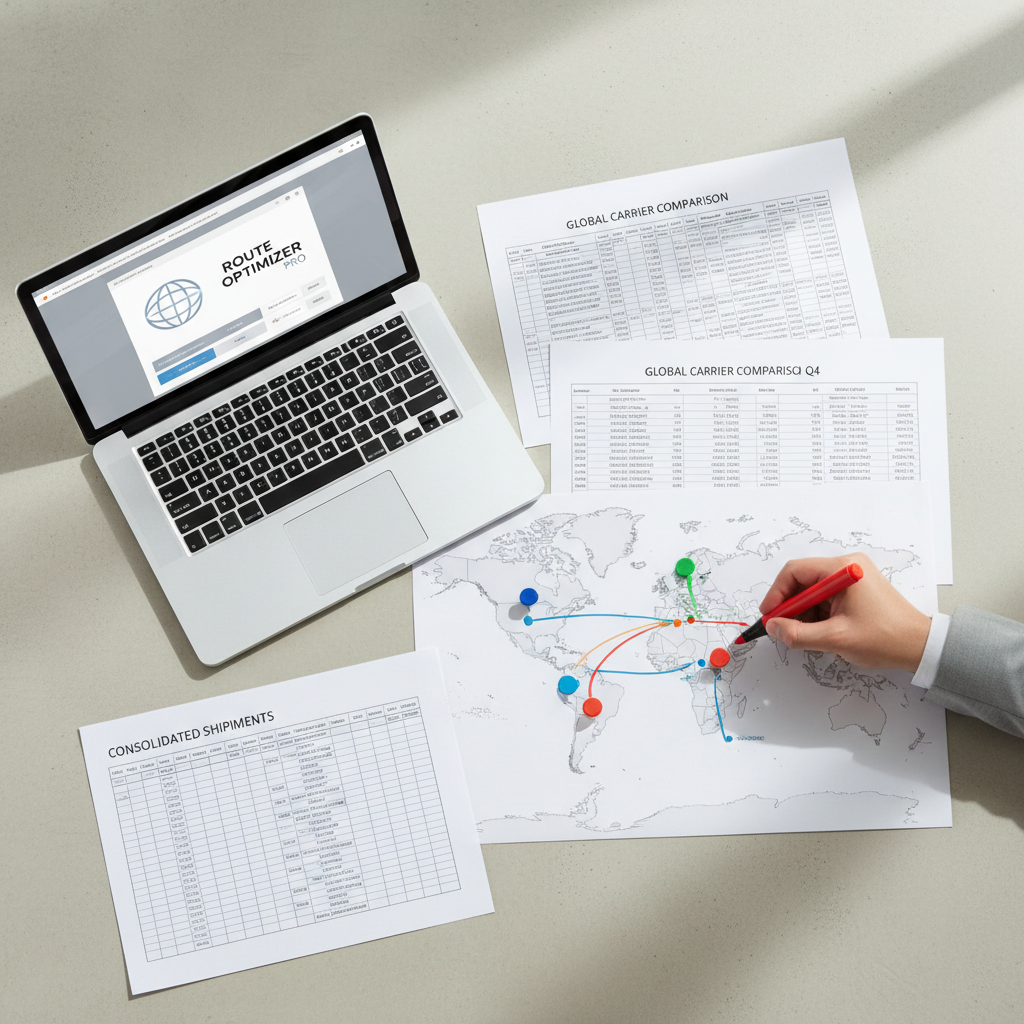
Choosing the Right TMS for Your Business
Selecting the right TMS depends on various factors, including your business size, industry, and specific logistics needs. Consider the following when evaluating TMS solutions:
- Scalability: Ensure the solution can grow with your business.
- Integration: Check compatibility with existing systems and software.
- User-Friendly Interface: A straightforward interface can reduce training time and increase adoption rates.
Conducting a thorough needs assessment and involving key stakeholders in the decision-making process can lead to a successful TMS implementation.
Future Trends in Transportation Management
The evolution of TMS is driven by technological advancements and changing market demands. Some emerging trends include the integration of artificial intelligence (AI) for predictive analytics, the use of blockchain for enhanced security, and the rise of IoT devices for better tracking and monitoring.

Staying informed about these trends can help businesses leverage new technologies to maintain a competitive edge in an ever-evolving industry.
Conclusion
Transportation Management Solutions play a vital role in optimizing logistics operations, reducing costs, and improving service delivery. By understanding the benefits and selecting the right solution, businesses can enhance their supply chain efficiency and drive significant growth. As the industry evolves, staying adaptable and informed will be key to success.