The Role of Technology in Modern Logistics: Trends and Innovations
DY
Introduction to Modern Logistics
In the rapidly evolving world of logistics, technology has become a cornerstone, transforming how goods are transported, stored, and delivered. The integration of advanced technologies into logistics processes is not just a trend but a necessity for businesses aiming to stay competitive. From automation to data analytics, technological innovations are reshaping the logistics landscape.
Automation in Logistics
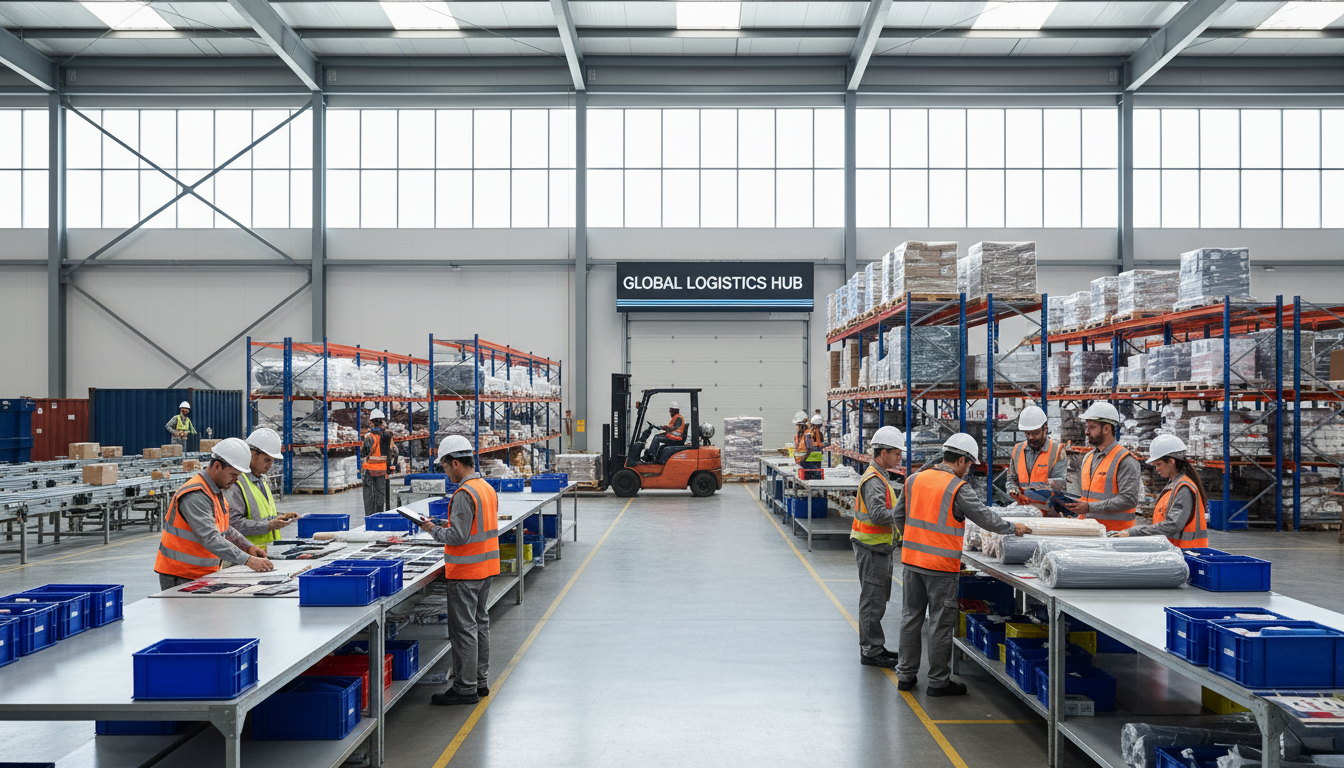
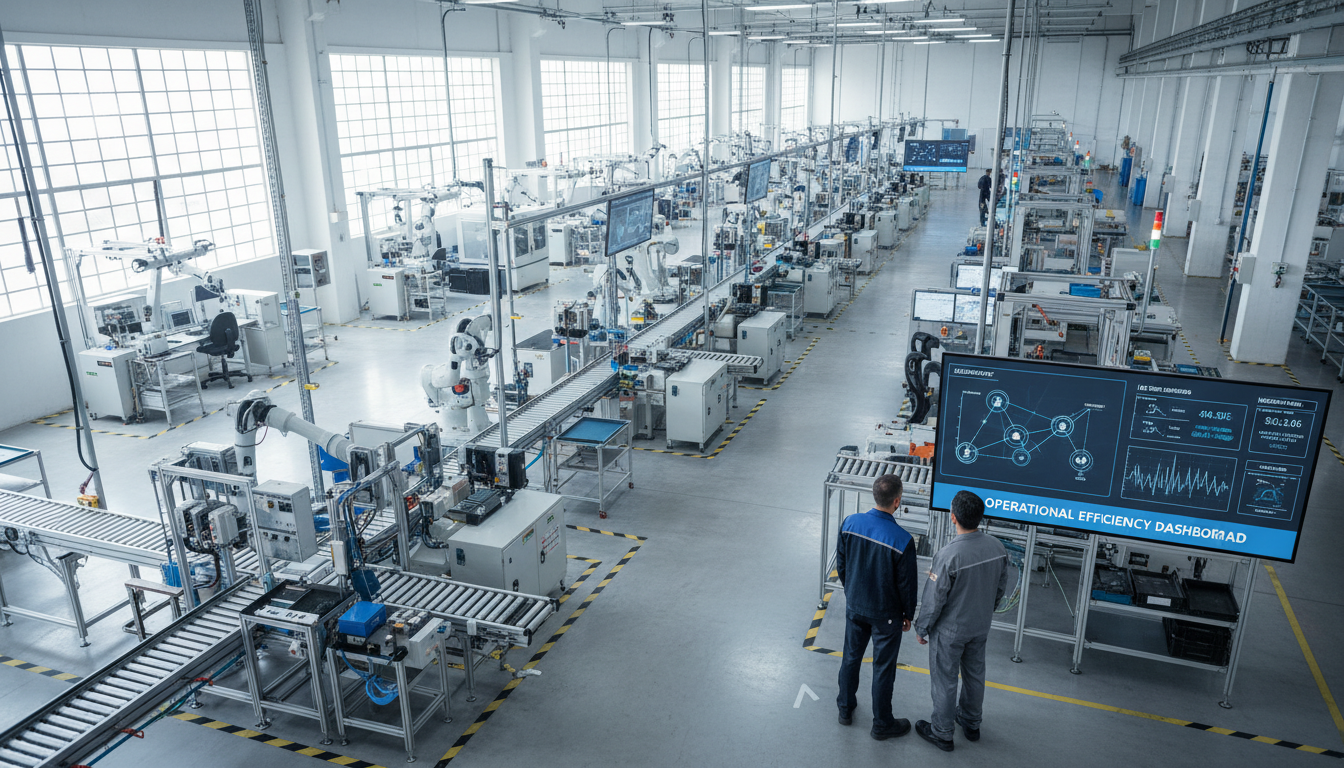
Automation is one of the most significant trends in modern logistics. Automated systems and robotics are being used to enhance efficiency and reduce human error. Warehouses now employ robots to handle tasks such as sorting, packaging, and transporting goods within the facility. This reduces labor costs and increases accuracy and speed.
Moreover, automated vehicles and drones are being tested and implemented for deliveries. These technologies promise to revolutionize last-mile delivery, reducing delivery times and improving customer satisfaction.
The Power of Data Analytics
Data analytics plays a crucial role in logistics, providing insights that help businesses optimize their operations. By analyzing data from various sources, companies can forecast demand, manage inventory, and plan routes more efficiently. This leads to reduced costs and improved service levels.

Predictive analytics, in particular, allows companies to anticipate potential disruptions in the supply chain and take proactive measures. This capability is essential for maintaining smooth operations in a complex global supply network.
Emergence of IoT in Logistics
The Internet of Things (IoT) has made significant inroads into logistics, providing real-time monitoring and tracking of goods. IoT devices offer enhanced visibility into the supply chain, allowing businesses to monitor the condition and location of products throughout their journey.
With IoT, companies can ensure that perishable goods are stored at the correct temperatures and that any deviations are promptly addressed. This results in reduced waste and improved quality control.
Blockchain for Supply Chain Transparency
Blockchain technology is gaining traction as a tool for enhancing transparency and security in the supply chain. By providing a decentralized and immutable record of transactions, blockchain ensures that all parties involved have access to accurate and verified data.
This transparency helps in building trust among stakeholders and reducing fraud. It also simplifies compliance with regulations by providing a clear audit trail.
Artificial Intelligence and Machine Learning
Artificial Intelligence (AI) and Machine Learning (ML) are being leveraged to optimize various aspects of logistics, from demand forecasting to route optimization. AI algorithms can analyze vast amounts of data to identify patterns and make informed decisions.

For instance, AI-powered systems can dynamically adjust delivery routes based on real-time traffic data, ensuring timely deliveries. This adaptability is crucial in today’s fast-paced logistics environment.
Conclusion
As technology continues to advance, its role in logistics will only grow more significant. Companies that embrace these innovations are better positioned to enhance their efficiency, reduce costs, and deliver superior service. By staying abreast of technological trends, businesses can navigate the complexities of modern logistics with greater agility and confidence.