The Future of Digital Marketing in the Transportation Industry
DY
Introduction to Digital Marketing in Transportation
The transportation industry is undergoing a significant transformation, driven by advancements in digital marketing. As technology evolves, companies in this sector are leveraging digital tools to enhance customer engagement, improve operational efficiency, and expand their reach. Understanding these trends is crucial for businesses aiming to stay competitive in a rapidly changing landscape.

Personalization and Customer Experience
One of the most impactful trends in digital marketing is personalization. Transportation companies are using data analytics to tailor their services and marketing messages to individual customer preferences. This shift towards personalized experiences not only improves customer satisfaction but also fosters loyalty.
By analyzing customer journeys and behaviors, businesses can create targeted campaigns that resonate with their audience. This approach is particularly effective in attracting and retaining customers in a competitive market.
Embracing AI and Automation
Artificial Intelligence (AI) and automation are becoming integral to digital marketing strategies in the transportation industry. From chatbots providing customer support to AI-driven analytics offering insights into market trends, these technologies are enhancing efficiency and effectiveness.
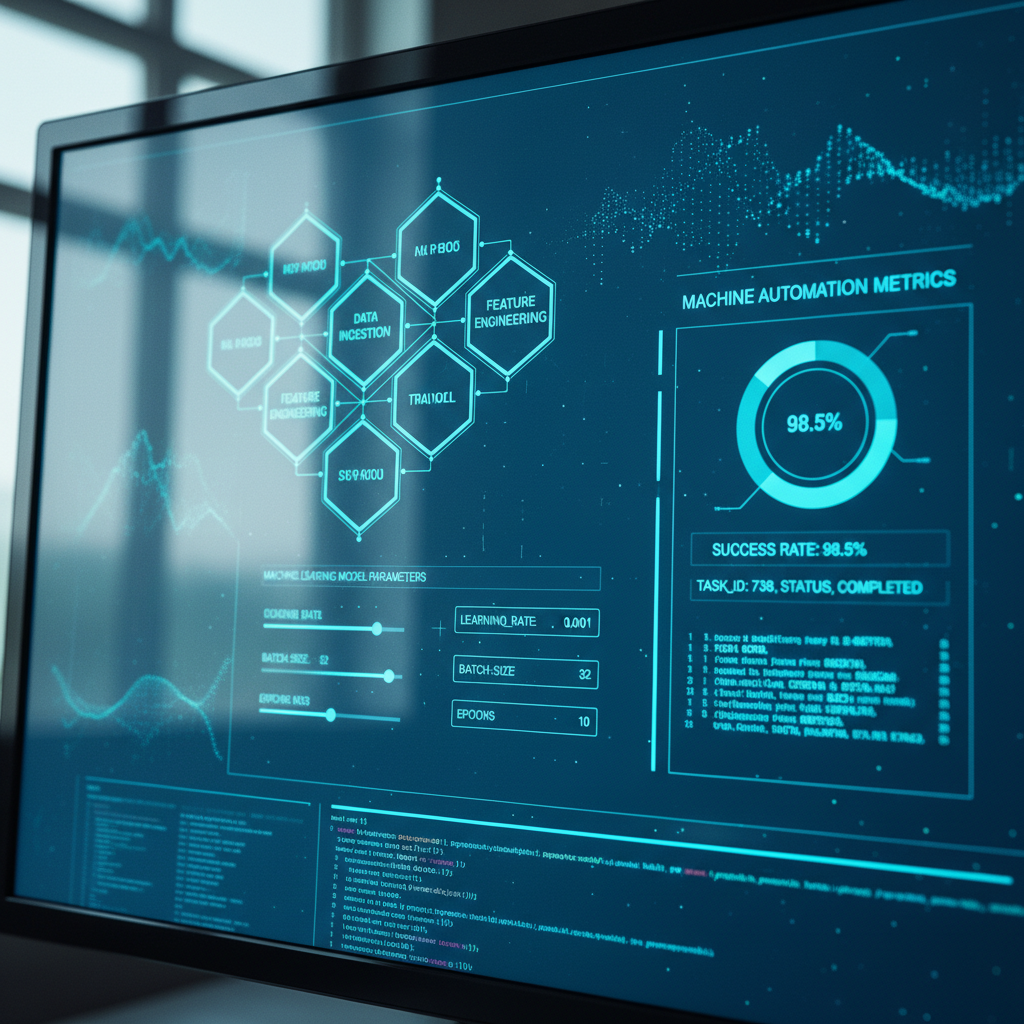
AI enables companies to process large volumes of data quickly, providing actionable insights that drive marketing strategies. Additionally, automation tools streamline operations, allowing businesses to focus on strategic growth rather than routine tasks.
Leveraging Social Media
Social media platforms are powerful channels for digital marketing in the transportation industry. They provide an opportunity to engage with customers directly, share updates, and gather feedback. Companies are increasingly using platforms like Facebook, Instagram, and Twitter to connect with their audience and build brand loyalty.
Effective social media strategies involve creating engaging content, responding to customer inquiries promptly, and leveraging user-generated content to build trust and credibility.

The Role of Influencer Marketing
Influencer marketing is gaining traction as a way to reach a broader audience. By partnering with influencers who align with their brand values, transportation companies can tap into new demographics and increase their visibility.
Influencers can help create authentic connections with potential customers by sharing personal experiences and recommendations, which can be more persuasive than traditional advertising methods.
Data Privacy and Security
As digital marketing becomes more data-driven, concerns about data privacy and security are paramount. Transportation companies must ensure they comply with regulations and protect customer information. Building trust through transparent data practices is essential for maintaining customer relationships.

Implementing robust security measures and clear privacy policies can help companies reassure customers that their data is safe, fostering a sense of trust and reliability.
Conclusion: Preparing for the Future
The future of digital marketing in the transportation industry is promising, with numerous opportunities for innovation and growth. By embracing personalization, AI, social media, influencer partnerships, and prioritizing data privacy, companies can position themselves for success in an increasingly digital world.
As these trends continue to evolve, staying informed and adaptable will be key to navigating the challenges and capitalizing on the opportunities that lie ahead.