The Essential Guide to Freight Brokerage Development and Success
DY
Understanding Freight Brokerage
Freight brokerage is a critical component of the logistics and transportation industry. It acts as a bridge between shippers and carriers, ensuring goods are transported efficiently and cost-effectively. A freight broker's primary role is to facilitate communication and negotiation between these parties.

The Role of a Freight Broker
Freight brokers are responsible for finding reliable carriers and negotiating rates that benefit both the shipper and the carrier. They must have a deep understanding of the transportation industry, including regulations, market trends, and customer needs. By leveraging their expertise, brokers can optimize shipping routes and reduce costs.
Steps to Start a Freight Brokerage Business
Starting a freight brokerage business requires careful planning and execution. Here are some essential steps:
- Research and Planning: Understand the market, identify your niche, and develop a business plan.
- Licensing and Registration: Obtain the necessary licenses, such as a Broker Authority from the Federal Motor Carrier Safety Administration (FMCSA).
- Insurance: Secure a surety bond and insurance to protect your business and clients.
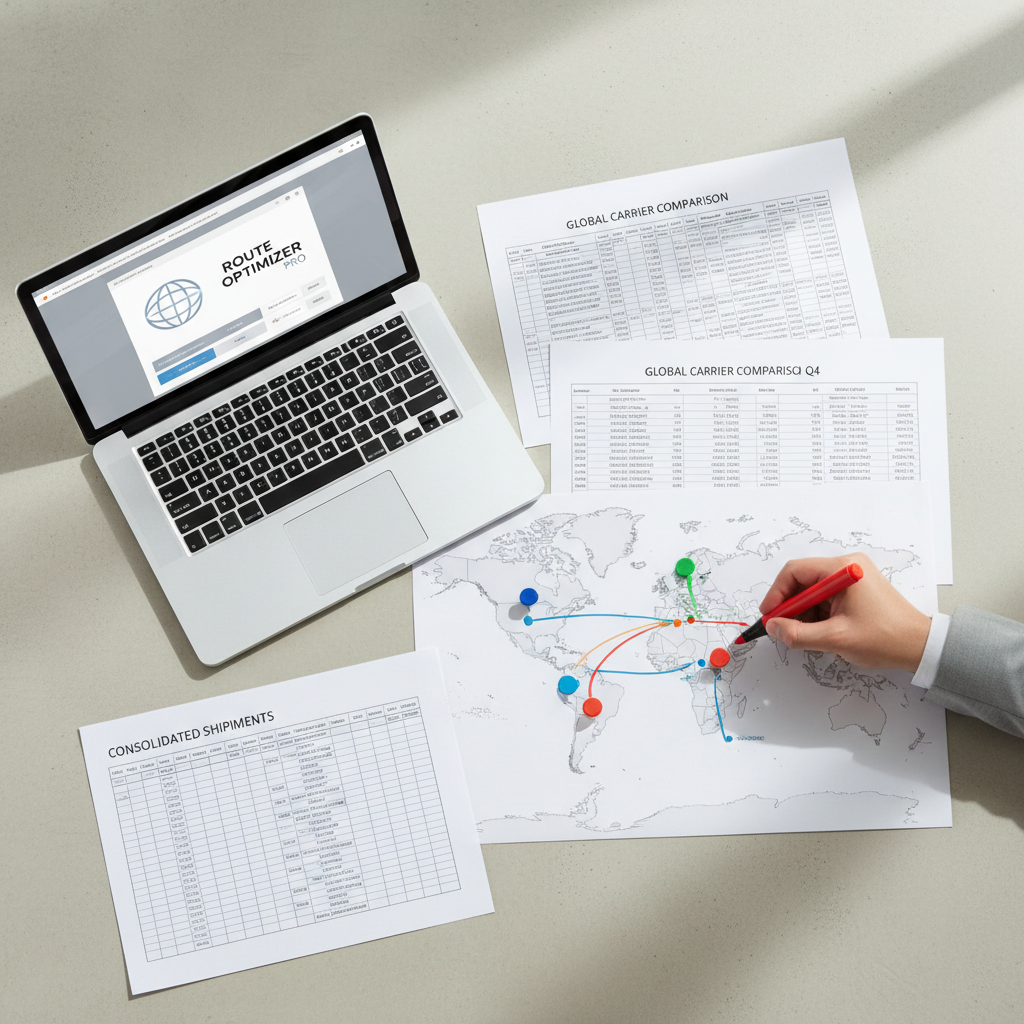
- Technology: Invest in a reliable Transportation Management System (TMS) to streamline operations.
Building a Strong Network
A successful freight brokerage relies on a strong network of carriers and shippers. Building and maintaining these relationships is crucial. Attend industry events, join professional organizations, and leverage social media to connect with potential partners.
Effective Marketing Strategies
Marketing is essential for attracting clients and growing your business. Consider the following strategies:
- Online Presence: Develop a professional website and utilize SEO techniques to increase visibility.
- Content Marketing: Share valuable insights through blogs, videos, and social media posts.
- Customer Testimonials: Showcase positive feedback from satisfied clients to build trust.

Utilizing Technology for Growth
Embracing technology is crucial for efficient operations and growth. Invest in software that aids in tracking shipments, managing customer relationships, and analyzing data. Automation can significantly enhance productivity and reduce errors.
Maintaining Compliance and Quality
Staying compliant with industry regulations is vital for any freight brokerage. Regular audits, proper documentation, and adherence to safety standards ensure your business operates smoothly. Quality service builds reputation and fosters long-term relationships.
Continuous Learning and Adaptation
The freight industry is ever-evolving, and staying updated with the latest trends and technologies is essential. Engage in continuous learning through workshops, online courses, and industry publications. Adaptability will keep your business competitive and resilient.

By following this essential guide, aspiring freight brokers can lay a solid foundation for development and success. With dedication, strategic planning, and a focus on building strong relationships, your freight brokerage can thrive in this dynamic industry.