Seasonal Tips for Effective Insurance and Risk Management in Transportation
DY
Preparing for Seasonal Changes
In the transportation industry, effective insurance and risk management are crucial, especially as seasons change. Weather conditions can significantly impact operations, and it's essential to adapt your strategies to mitigate potential risks.
Seasonal changes can bring unique challenges, such as icy roads in winter or hurricanes in summer. By preparing for these conditions, you can protect your assets and ensure the safety of your drivers.
Winter Weather Preparedness
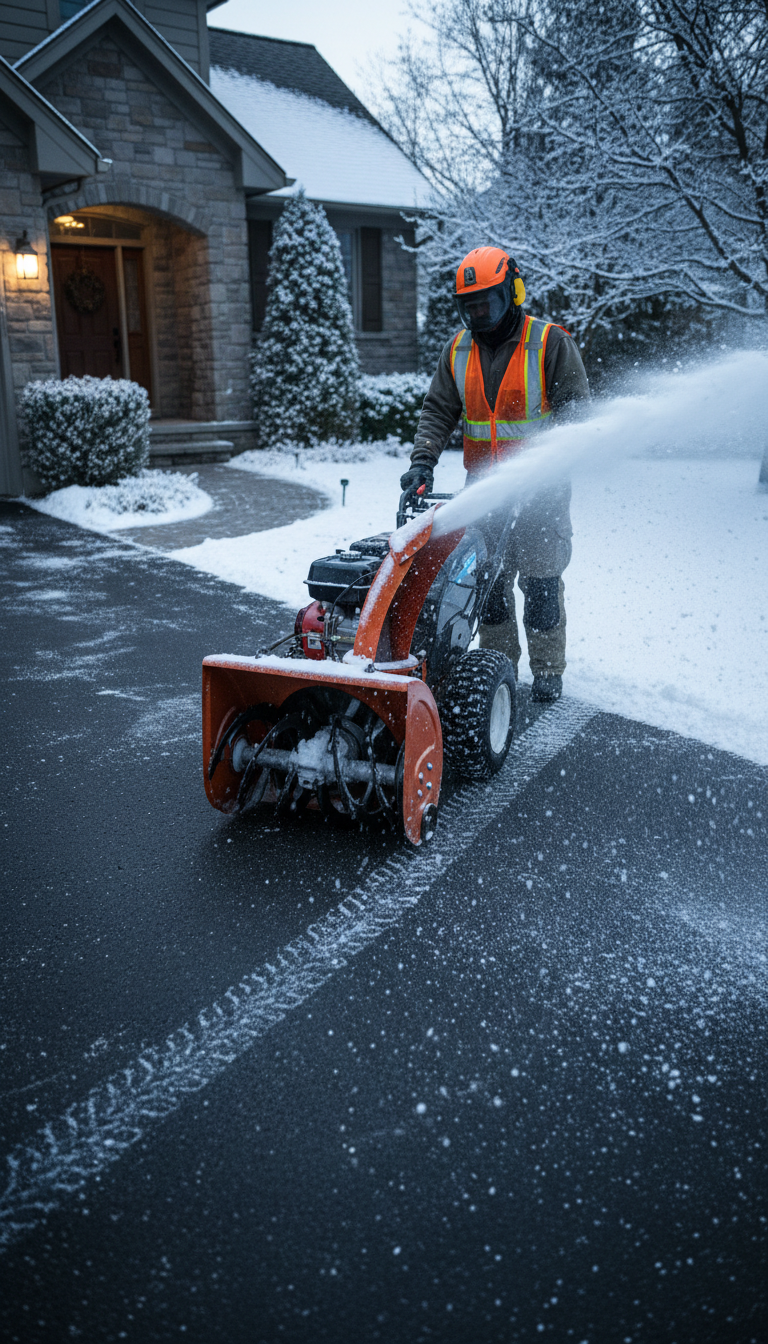
Winter poses numerous challenges, including snow, ice, and reduced visibility. To manage these risks, ensure your vehicles are equipped with winter tires and maintain regular inspections. It's also wise to provide drivers with training on handling hazardous conditions.
Insurance policies should be reviewed to consider additional coverage for weather-related incidents. Ensuring that your policy covers potential damages and liabilities can save you from unexpected expenses.
Spring and Summer Storms
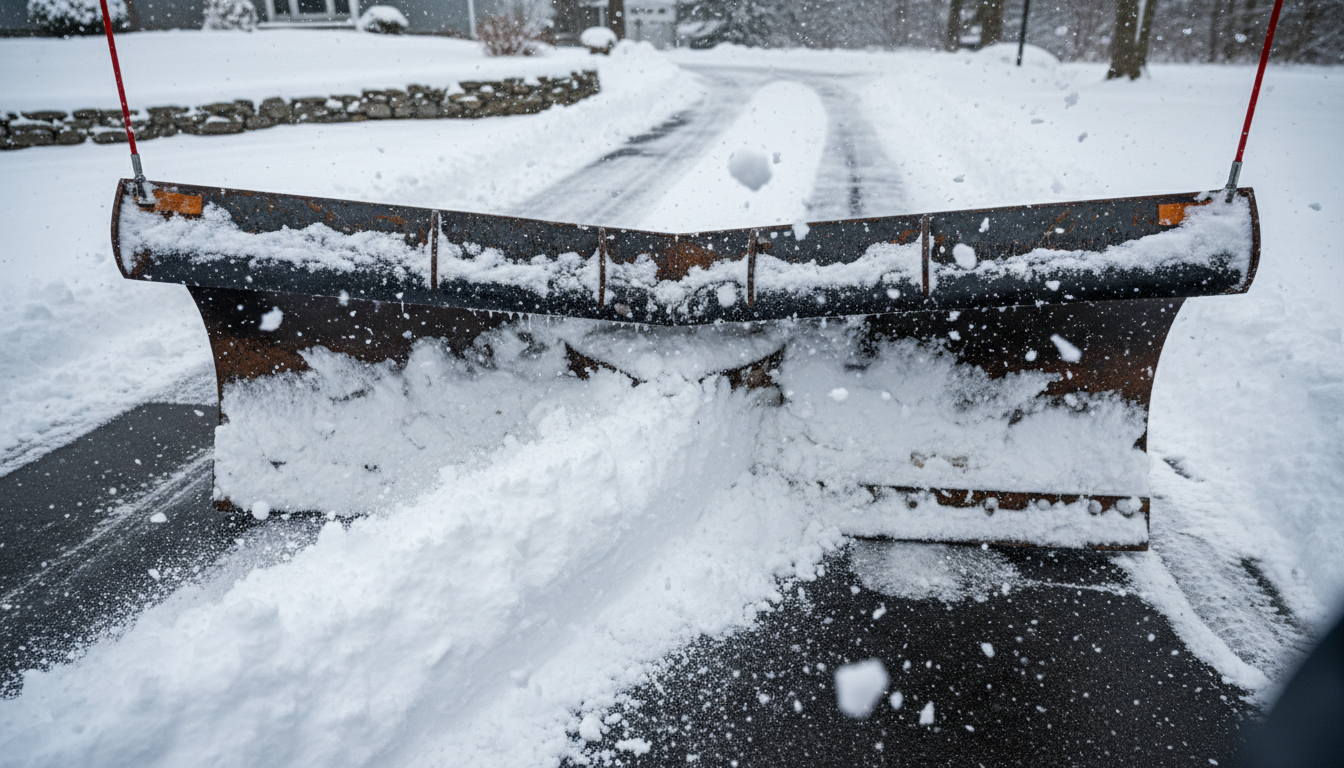
Spring and summer can bring severe storms, including heavy rain and high winds. These conditions can lead to accidents and delays. To minimize risks, conduct regular maintenance checks on all vehicles, focusing on brakes and tires that can be affected by wet conditions.
Furthermore, keep your insurance provider informed about any changes in operations or routes that might affect your risk exposure. Adjust your policies as needed to cover potential storm damage.
Heat and Vehicle Maintenance
High temperatures in summer can also affect vehicle performance. Overheated engines and tire blowouts are common issues. Regular maintenance and inspections are crucial to ensure optimal vehicle performance.
Additionally, educate your drivers about the signs of heat-related vehicle issues and establish protocols for managing such situations. This proactive approach can prevent costly repairs and accidents.

Fall and Changing Weather Conditions
Fall introduces its own set of challenges, such as wet leaves on roads and shorter daylight hours. Ensure drivers are aware of these conditions and adjust their driving habits accordingly.
Review your insurance policies to ensure they cover incidents specific to fall conditions. Consider coverage for accidents caused by slippery roads or decreased visibility.
Technology and Risk Management
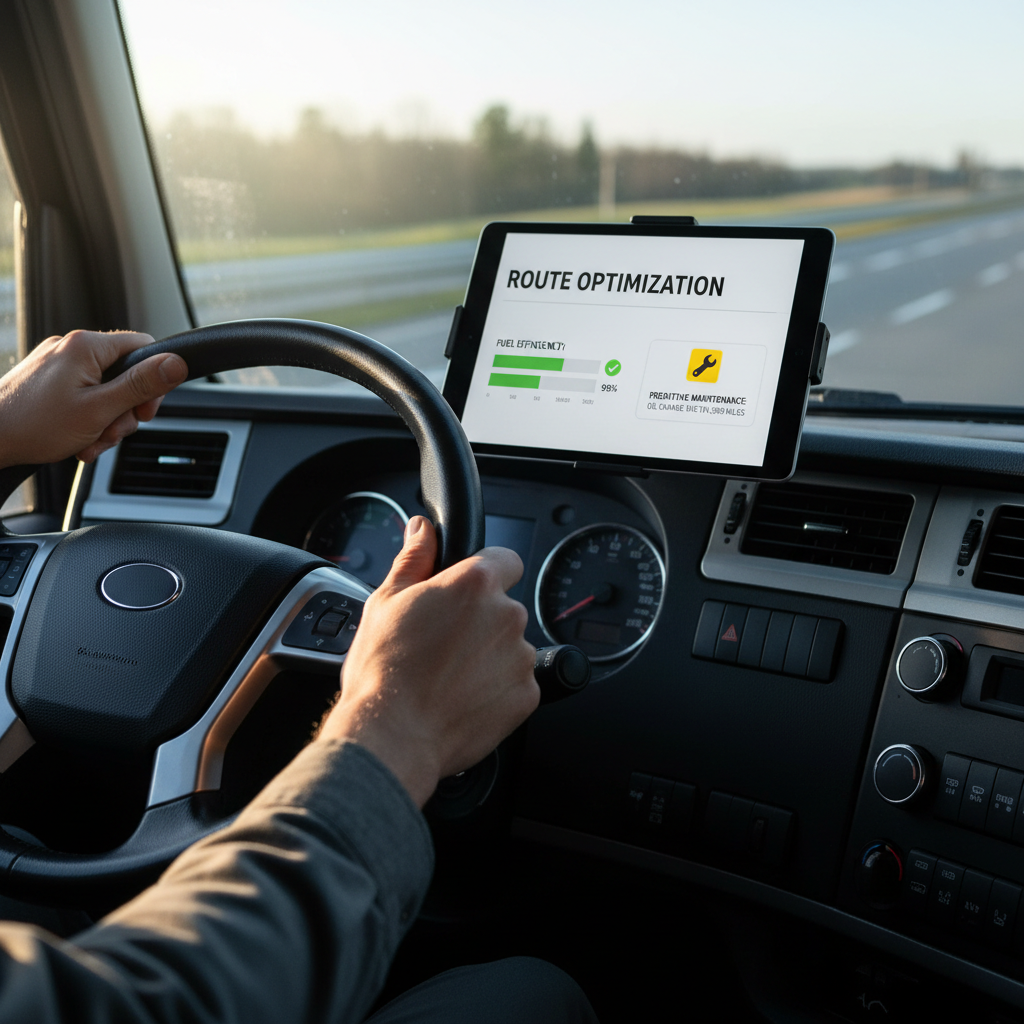
Leveraging technology can enhance your risk management strategies. GPS tracking, telematics, and weather forecasting tools provide valuable data to help you make informed decisions.
These technologies can alert drivers to hazardous conditions and offer alternate routes to avoid dangerous areas. Incorporating technology into your operations can significantly reduce risks and improve overall efficiency.
Continuous Policy Review
Regularly reviewing and updating your insurance policies is essential for effective risk management. As your business evolves, so do your risk exposures. Work closely with your insurance provider to ensure your coverage remains adequate and relevant.
By staying proactive and adapting to seasonal changes, you can protect your transportation business from unforeseen challenges and ensure smooth operations year-round.