Seasonal Strategies for Successful Freight Brokerage Operations
DY
Understanding Seasonal Demand Shifts
Freight brokerage operations are significantly impacted by seasonal demand shifts. Recognizing these patterns allows brokers to optimize resources and meet the needs of their clients efficiently. For instance, during the holiday season, there is often a spike in demand for freight services due to increased consumer purchasing.

Winter Challenges and Solutions
Winter presents unique challenges for freight brokers, including adverse weather conditions and potential delays. To overcome these hurdles, brokers should establish strong communication channels with carriers to ensure real-time updates. Additionally, collaborating with carriers experienced in winter logistics is crucial.
An effective strategy is to have contingency plans in place. These plans might include alternative routes or partnerships with different carriers who specialize in handling winter conditions.
Spring Opportunities in Freight Brokerage
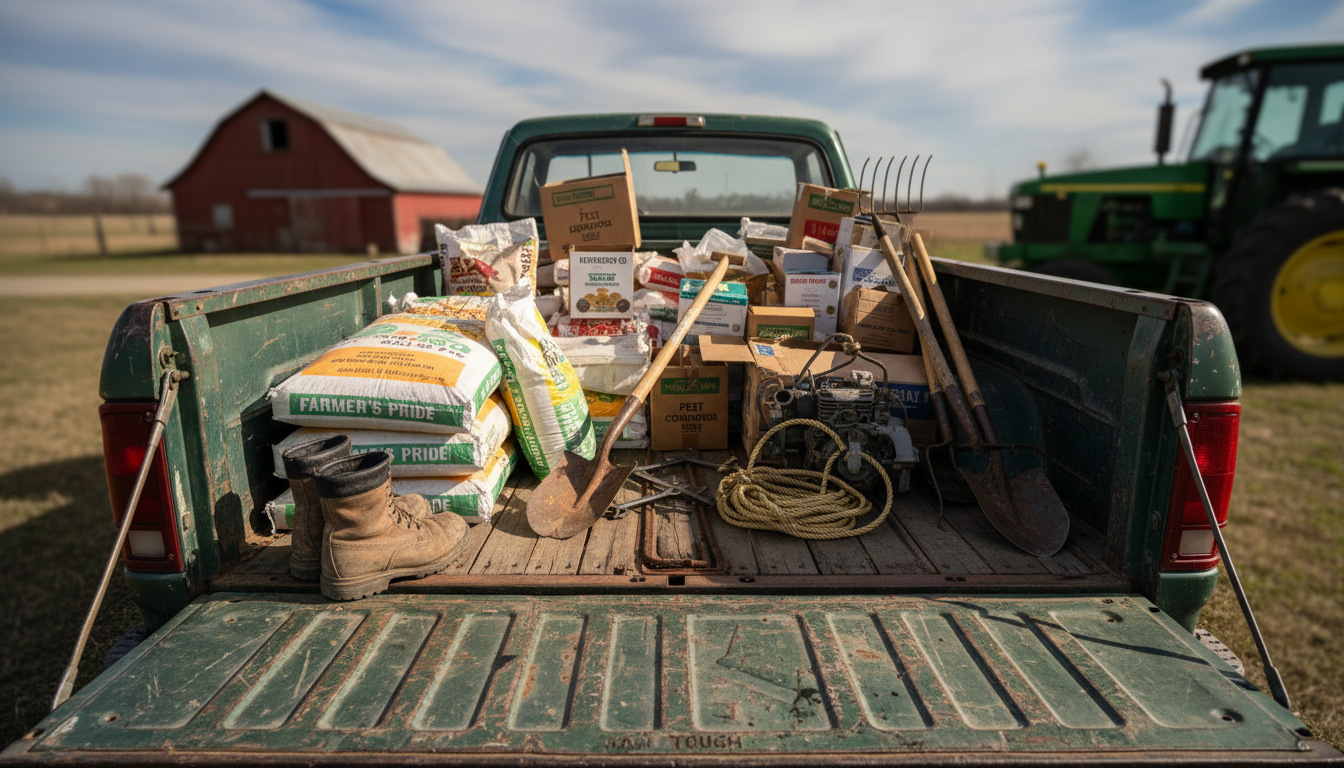
As winter fades, spring offers a fresh set of opportunities. This season often brings a surge in agricultural products, requiring specialized transportation. Brokers can capitalize on this by partnering with carriers that have expertise in transporting perishable goods.
Technology as a Springboard
Leveraging technology during the spring can drive operational efficiency. Implementing advanced tracking systems ensures timely delivery and enhances customer satisfaction. Moreover, data analytics can help predict demand and optimize route planning.
Summer Surge: Managing High Demand
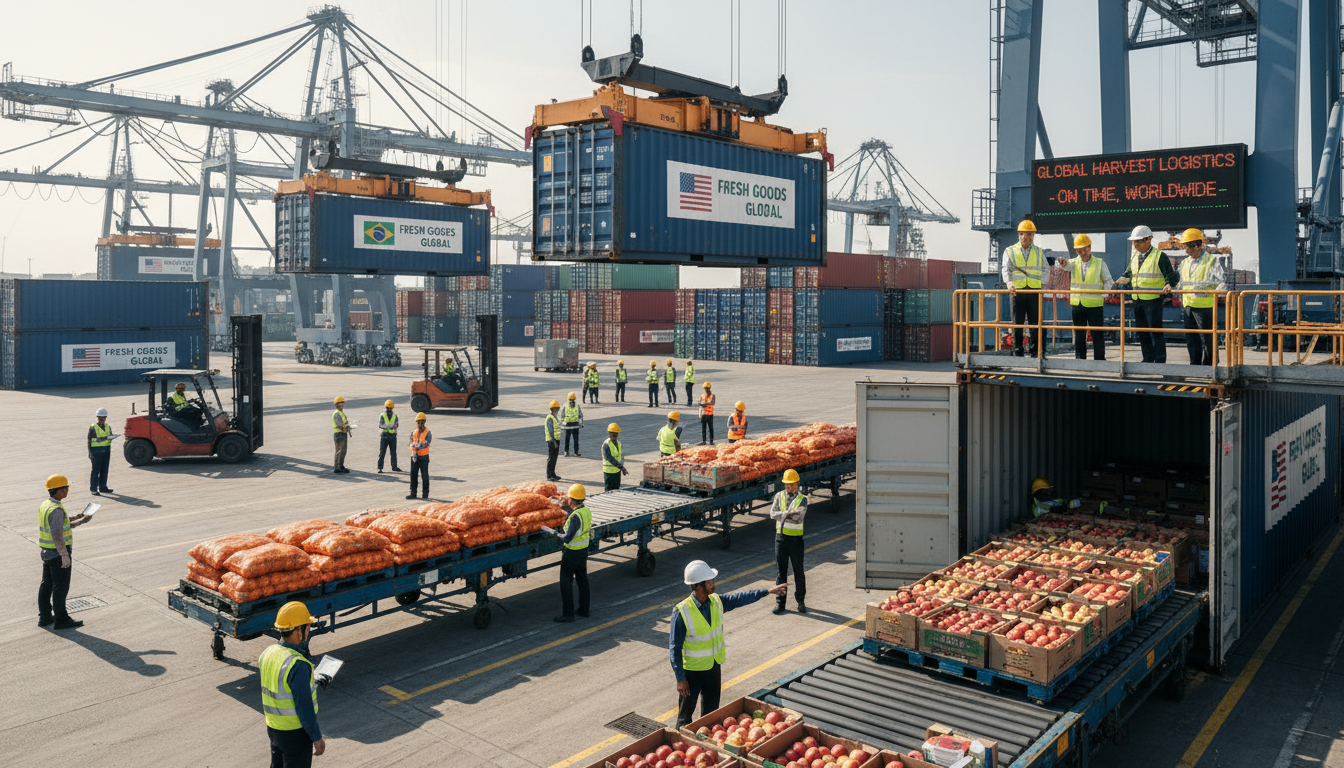
Summer often sees increased demand for freight services, particularly in construction and retail. To manage this surge, brokers should expand their carrier networks to include those with capacity to handle larger volumes efficiently.
Building Strong Relationships
Fostering strong relationships with carriers during this busy period is essential. Regular communication and fair compensation can help maintain reliable partnerships. Additionally, offering incentives for timely deliveries can motivate carriers to prioritize your shipments.
Adapting to Fall Transitions
Fall is a transitional period where freight brokerage needs may fluctuate. Understanding industry trends, such as the back-to-school season and pre-holiday preparations, can guide brokers in adjusting their strategies accordingly.
Preparing for Holiday Peaks
As fall progresses, preparing for the holiday peak becomes imperative. Brokers should focus on building robust logistics plans to accommodate increased demand. This preparation might involve scaling up operations and ensuring adequate staffing to handle the additional workload.

In conclusion, adapting to seasonal changes and strategically planning for each phase can significantly enhance the success of freight brokerage operations. By staying proactive and responsive to market demands, brokers can ensure a seamless and efficient service year-round.