Optimizing Your Asset-Based Trucking Operations for Growth
DY
Understanding Asset-Based Trucking Operations
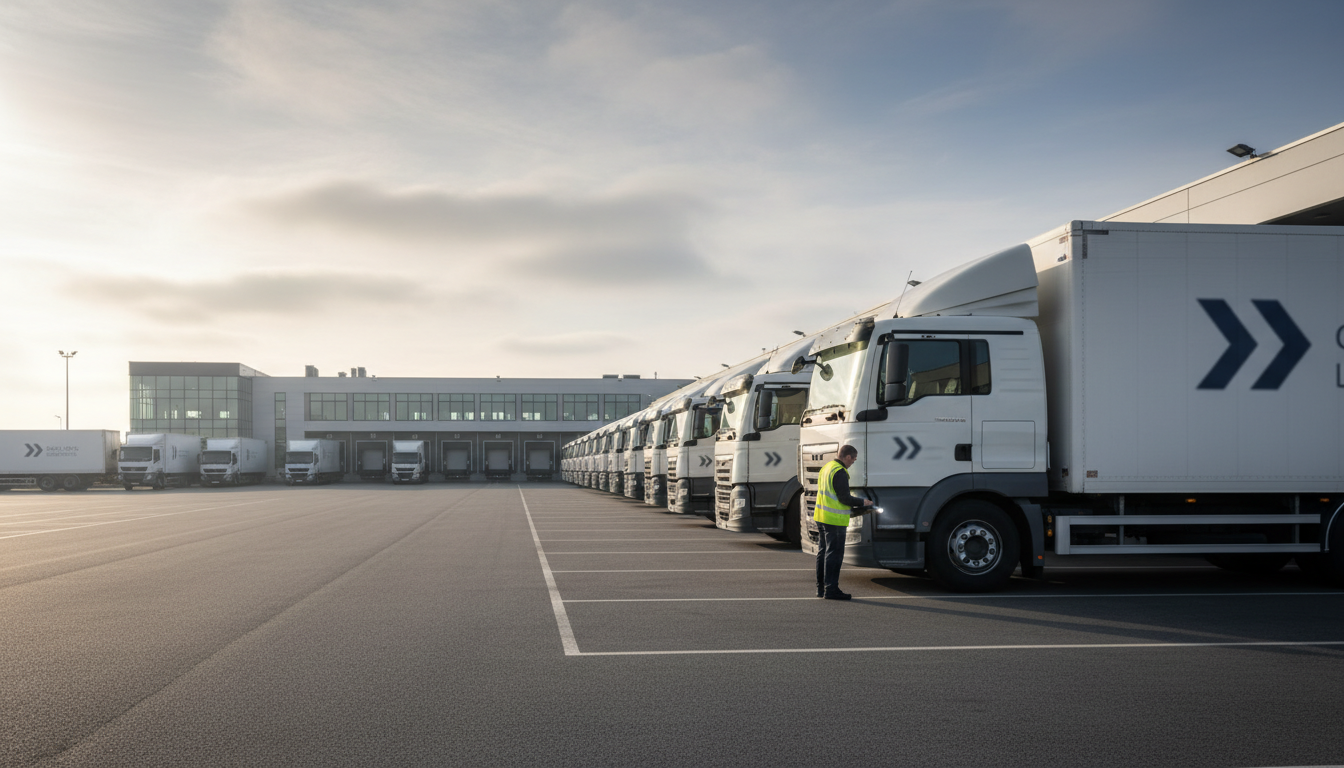
Asset-based trucking companies own their fleet of trucks and equipment, which provides a unique set of advantages and challenges. By owning the assets, these companies have more control over their operations, maintenance, and scheduling. This control allows for better service consistency and reliability. However, it also means managing significant capital investments and operational complexities.
Optimizing these operations is crucial for growth and sustainability. By focusing on efficiency and strategic planning, companies can maximize their resources and improve profitability.
Enhancing Fleet Management
Effective fleet management is the cornerstone of successful asset-based trucking operations. Implementing a robust fleet management system helps in tracking vehicle performance, scheduling maintenance, and managing fuel consumption. Utilizing telematics and GPS technology can provide real-time data, enhancing decision-making and operational efficiency.
Regular maintenance schedules are essential to prevent unexpected breakdowns, which can lead to costly delays. Predictive maintenance, supported by data analytics, can further optimize the maintenance process by anticipating issues before they arise.

Improving Driver Efficiency
Drivers are critical to the efficiency of trucking operations. Investing in driver training programs ensures that your team is equipped with the latest skills and safety protocols. This not only improves performance but also boosts morale and job satisfaction.
Implementing driver incentive programs can motivate your workforce to achieve better fuel efficiency and safer driving practices. This can lead to reduced operational costs and fewer accidents, contributing positively to the company’s bottom line.

Leveraging Technology for Growth
Technology plays a pivotal role in optimizing asset-based trucking operations. From advanced routing software that minimizes travel time to automated load matching systems that increase load efficiency, technology offers numerous opportunities for improvement. Investing in these technologies can lead to significant gains in productivity and profitability.
Additionally, integrating cloud-based systems can enhance collaboration across departments, ensuring that everyone is working with the most up-to-date information. This integration aids in seamless communication and coordination, essential for scaling operations.

Cost Management Strategies
Managing costs is crucial for the growth of asset-based trucking companies. Regularly analyzing financial data to identify cost-saving opportunities can enhance profitability. Consider renegotiating contracts with suppliers and leveraging bulk purchasing agreements to reduce expenses.
Implementing energy-efficient practices can also contribute to cost reductions. This includes adopting fuel-efficient vehicles and exploring alternative fuels. These measures not only save money but also promote sustainability, an increasingly important factor for many clients.
Building Strong Customer Relationships
Customer satisfaction is vital for long-term growth. Providing reliable and consistent service builds trust and encourages repeat business. Regular communication with clients to understand their needs and expectations can help tailor services to better meet their requirements.
Building a reputation for reliability can differentiate your company from competitors. Offering value-added services, such as real-time shipment tracking, can further enhance customer experience and loyalty.

Conclusion
Optimizing asset-based trucking operations is a multifaceted process that involves strategic planning, technological investment, and effective management of resources. By focusing on these areas, companies can position themselves for sustainable growth and success in an increasingly competitive industry.