Mastering Freight Brokerage: A Comprehensive Guide to Success
DY
Understanding the Role of a Freight Broker
Freight brokers play a crucial role in the logistics industry, acting as intermediaries between shippers and carriers. Their primary responsibility is to connect businesses that need to ship goods with transportation companies that can move those goods efficiently. By mastering the art of freight brokerage, you can ensure seamless operations and maximize profitability.

Key Skills for Success
To excel as a freight broker, certain skills are indispensable. Strong communication abilities are essential, as you'll be negotiating rates and coordinating shipments. Additionally, organizational skills help manage multiple transactions simultaneously, while problem-solving skills are critical for overcoming logistical challenges.
Building a Reliable Network
Creating a dependable network of carriers and shippers is fundamental. Establishing trust and maintaining good relationships with these partners can lead to long-term success. Regular communication and timely payments are key to nurturing these connections.

Leveraging Technology
In today’s fast-paced environment, leveraging technology is vital. Freight brokerage software can streamline operations, providing tools for tracking shipments, managing contracts, and automating processes. Staying updated with the latest technological advancements can give you a competitive edge.
Compliance and Regulations
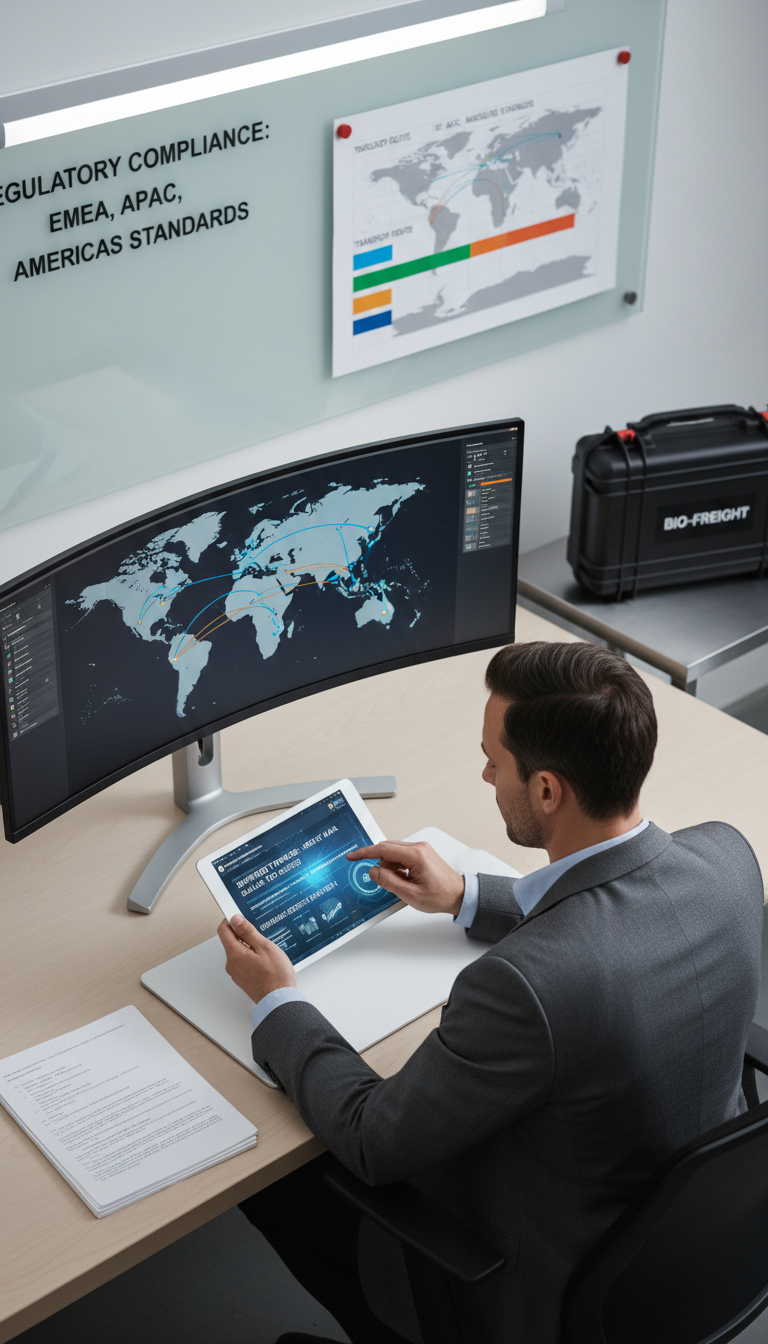
Understanding the legal landscape is crucial for freight brokers. Familiarize yourself with industry regulations, including licensing requirements and insurance coverage. Compliance ensures smooth operations and protects your business from potential legal issues.
Marketing and Branding
Effective marketing strategies can set your brokerage apart. Developing a strong brand identity and utilizing digital marketing techniques like SEO and social media can help attract new clients. Consistent branding and clear messaging reinforce your company’s reliability and expertise.
Continuous Education and Training
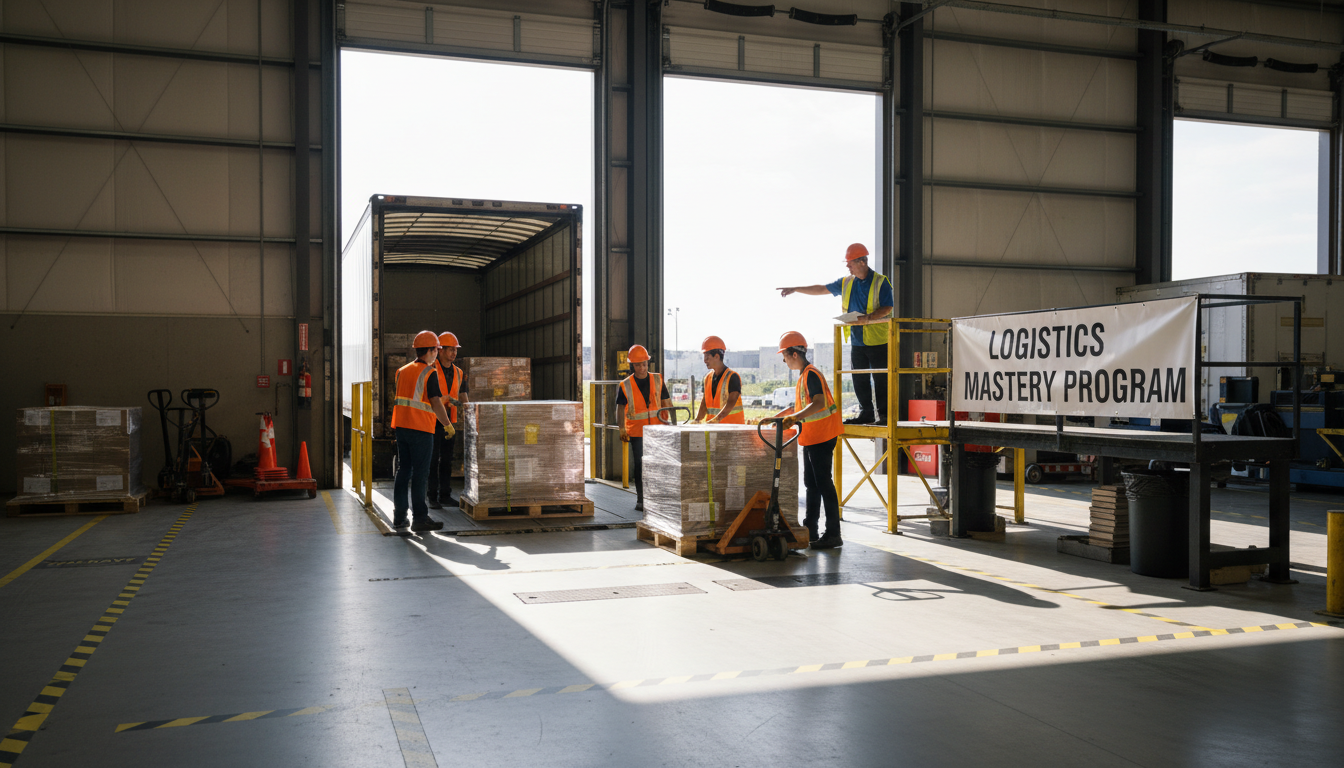
The logistics industry is constantly evolving. Engaging in continuous education and staying informed about industry trends are essential. Attending workshops, webinars, and industry conferences can enhance your knowledge and provide networking opportunities.
Measuring and Improving Performance
Regularly evaluating your brokerage’s performance is key to growth. Use key performance indicators (KPIs) to assess efficiency and identify areas for improvement. Implementing feedback from clients and partners can also drive enhancements in service quality.
By mastering these elements of freight brokerage, you can build a successful and resilient business. Staying adaptable and proactive in the face of industry changes is crucial for long-term success.