Leveraging Technology for Effective Vendor Integrations
DY
Introduction to Vendor Integrations
In today's fast-paced business environment, seamless vendor integrations are crucial for maintaining efficiency and competitiveness. Leveraging technology can significantly enhance these integrations, ensuring smooth operations and improved relationships with suppliers and partners.
By employing the right technological tools, businesses can streamline communication, automate processes, and reduce errors in vendor interactions. This not only saves time but also enhances productivity and operational success.
Understanding the Role of Technology
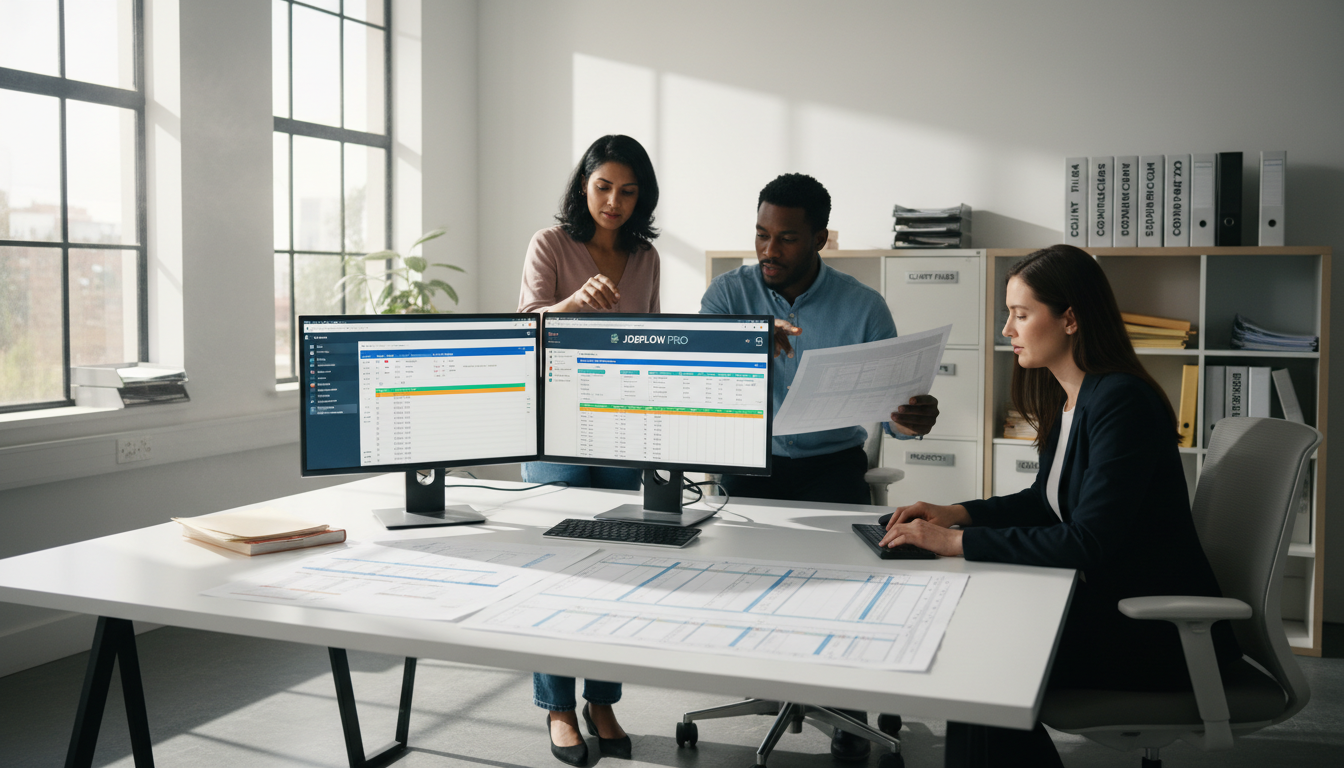
Technology acts as a bridge, connecting various systems and platforms to facilitate effective vendor integrations. Implementing advanced software solutions can enable businesses to manage vendor relationships more effectively and ensure data consistency across platforms.
With tools such as APIs and cloud-based solutions, companies can automate data exchange, reducing manual intervention and mitigating the risk of human error. This creates a seamless flow of information and enhances the reliability of vendor interactions.
Automating Vendor Management
Automation is a key component of leveraging technology for vendor integrations. By using automated systems, businesses can manage vendor contracts, track performance metrics, and maintain compliance with minimal manual oversight.
Additionally, automation reduces the time spent on repetitive tasks, allowing teams to focus on strategic initiatives that drive growth and innovation.
Enhancing Communication Channels
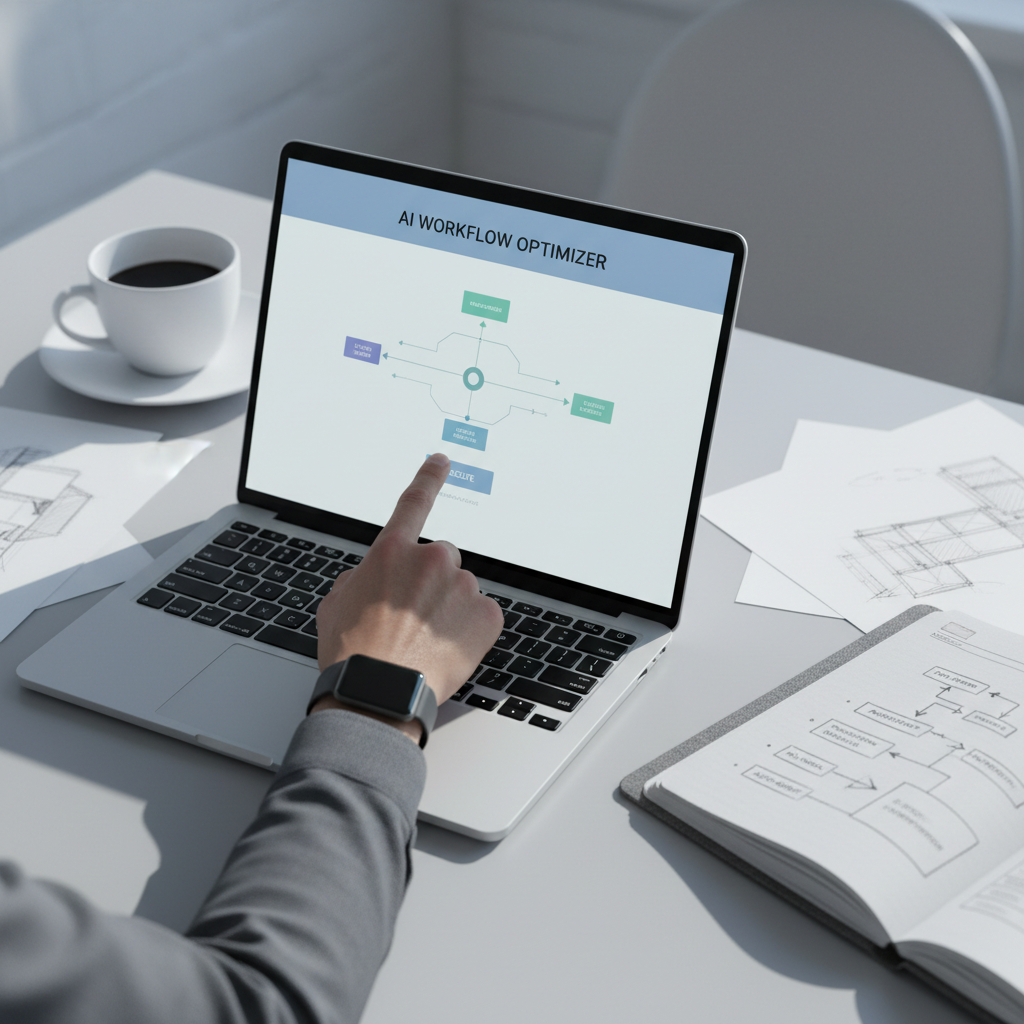
Effective communication is vital for successful vendor integrations. Technology offers numerous tools that enhance communication channels, such as instant messaging platforms and collaborative workspaces. These tools facilitate real-time interactions and ensure that all stakeholders are aligned.
By fostering open and efficient communication, businesses can quickly address issues and implement solutions, minimizing disruptions in the supply chain.
Data Security and Vendor Integrations
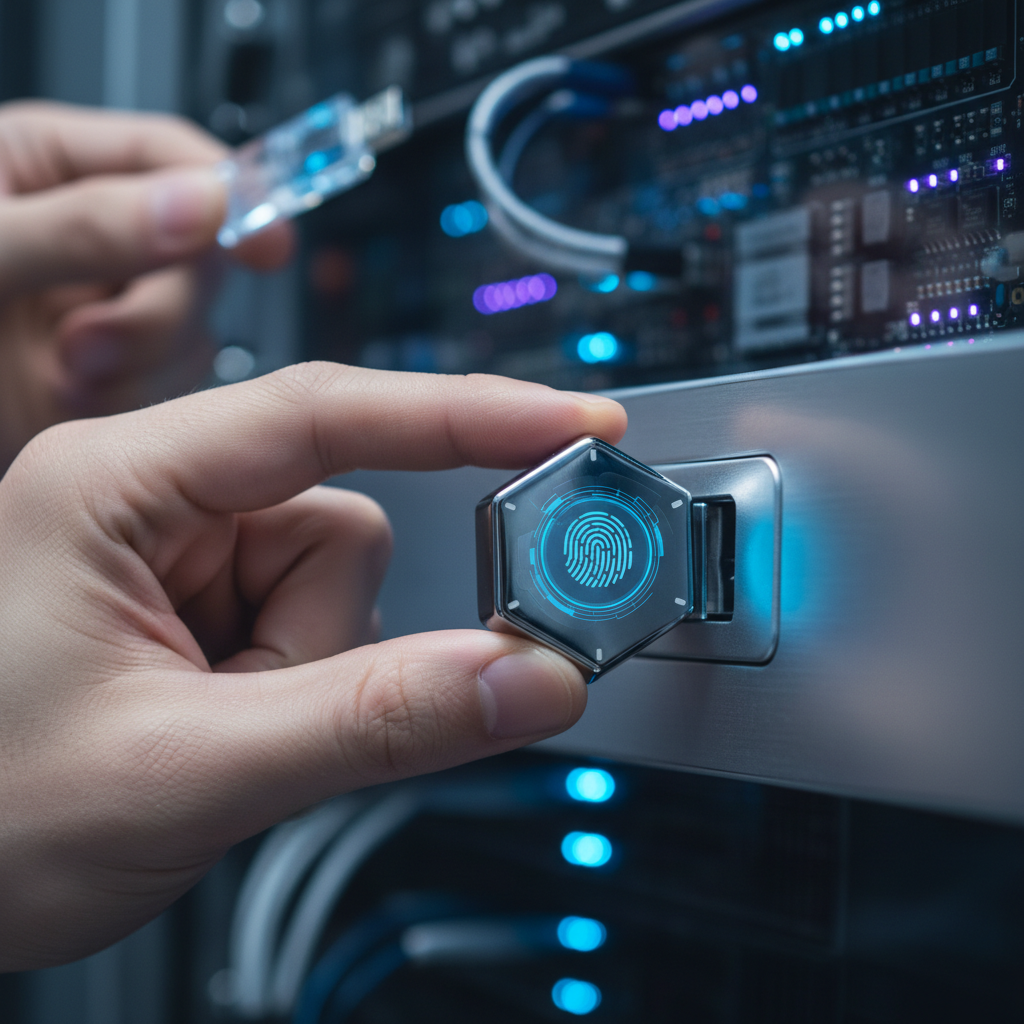
With increased connectivity comes the need for robust data security measures. Protecting sensitive information during vendor integrations is paramount, and technology provides various solutions to safeguard data integrity.
Implementing encryption, secure access controls, and regular security audits can help prevent data breaches and ensure compliance with industry standards.
Future Trends in Vendor Integration Technology
As technology continues to evolve, new trends are emerging that will further enhance vendor integrations. Artificial intelligence and machine learning are set to play significant roles in predictive analytics and decision-making processes.
These technologies will enable businesses to anticipate vendor needs, optimize supply chain operations, and adapt to changing market conditions more swiftly.
Conclusion
Leveraging technology for effective vendor integrations is no longer optional but essential for modern businesses. By adopting the right tools and strategies, organizations can foster stronger vendor relationships, streamline operations, and gain a competitive edge in the market.
As technology advances, staying informed and adaptable will be key to maximizing the benefits of vendor integrations and driving long-term success.