How to Prevent Freight Fraud: A Step-by-Step Guide for Carriers
DY
Understanding Freight Fraud
Freight fraud is a growing concern in the logistics industry, costing carriers significant time and money. It involves deceptive practices that result in unauthorized charges, misrouted shipments, or even stolen cargo. Being aware of these threats is the first step toward prevention.
Recognizing Common Types of Fraud
Carriers must familiarize themselves with common types of freight fraud to proactively address these challenges. Some prevalent forms include:
- Identity Theft: Fraudsters impersonate legitimate carriers to gain access to shipments.
- Double Brokering: A broker reassigns a load to another carrier without proper authorization.
- False Claims: Fraudsters file bogus claims for nonexistent damages or losses.
Implementing Verification Processes
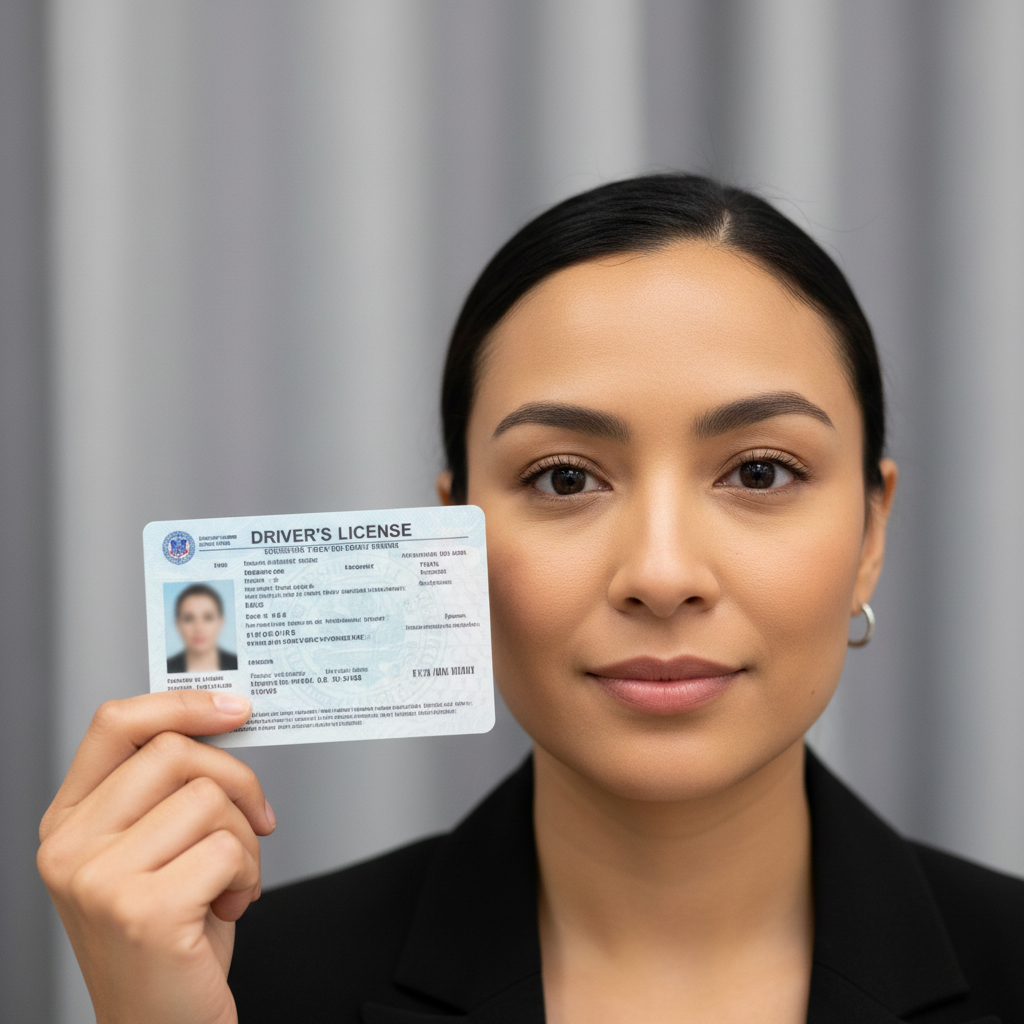
Establishing robust verification processes is crucial in preventing freight fraud. Start by verifying the identities of all parties involved in the transaction, including shippers, brokers, and consignees. Use trusted databases and resources to confirm credentials and affiliations.
Utilizing Technology for Security
Technology plays a pivotal role in safeguarding shipments. Implement GPS tracking systems to monitor cargo in real-time and ensure it follows the designated route. Additionally, consider using blockchain technology to provide a secure, transparent ledger for transactions and freight documentation.
Training and Awareness
Regular training sessions for your team can greatly reduce the risk of freight fraud. Educate employees about the latest fraud tactics and encourage them to report any suspicious activities. Awareness and vigilance are key components of a successful fraud prevention strategy.

Establishing Strong Contracts
A well-drafted contract can serve as a critical defense against fraud. Clearly outline terms, responsibilities, and liabilities. Ensure that all parties involved understand and agree to these conditions. This legal framework can deter potential fraudsters and provide recourse in case of disputes.
Building Strong Relationships
Developing strong, trustworthy relationships with partners and clients can be a significant deterrent to fraud. Regular communication and collaboration with these stakeholders foster an environment of transparency and trust, reducing opportunities for fraudulent activities.
Conducting Regular Audits
Regular audits help identify discrepancies and potential fraud risks before they become serious issues. Audit your processes, transactions, and partner relationships periodically to ensure compliance and security. These audits can reveal vulnerabilities that need addressing.

By following these steps, carriers can significantly reduce the threat of freight fraud. Implementing a comprehensive strategy involving verification, technology, training, and strong partnerships will safeguard your operations and ensure smoother, more secure logistics processes.