How to Build a Resilient Carrier Network in Tennessee
DY
Understanding the Importance of a Resilient Carrier Network
In today's fast-paced digital landscape, building a resilient carrier network in Tennessee is crucial for staying competitive. A resilient network ensures uninterrupted service, enhances customer satisfaction, and reduces operational costs. As Tennessee continues to grow as a technological hub, the demand for reliable connectivity has never been higher.
To achieve this resilience, companies must focus on several key areas, including infrastructure investment, strategic partnerships, and innovative technologies. By doing so, they can create a network that withstands disruptions and adapts to changing demands.
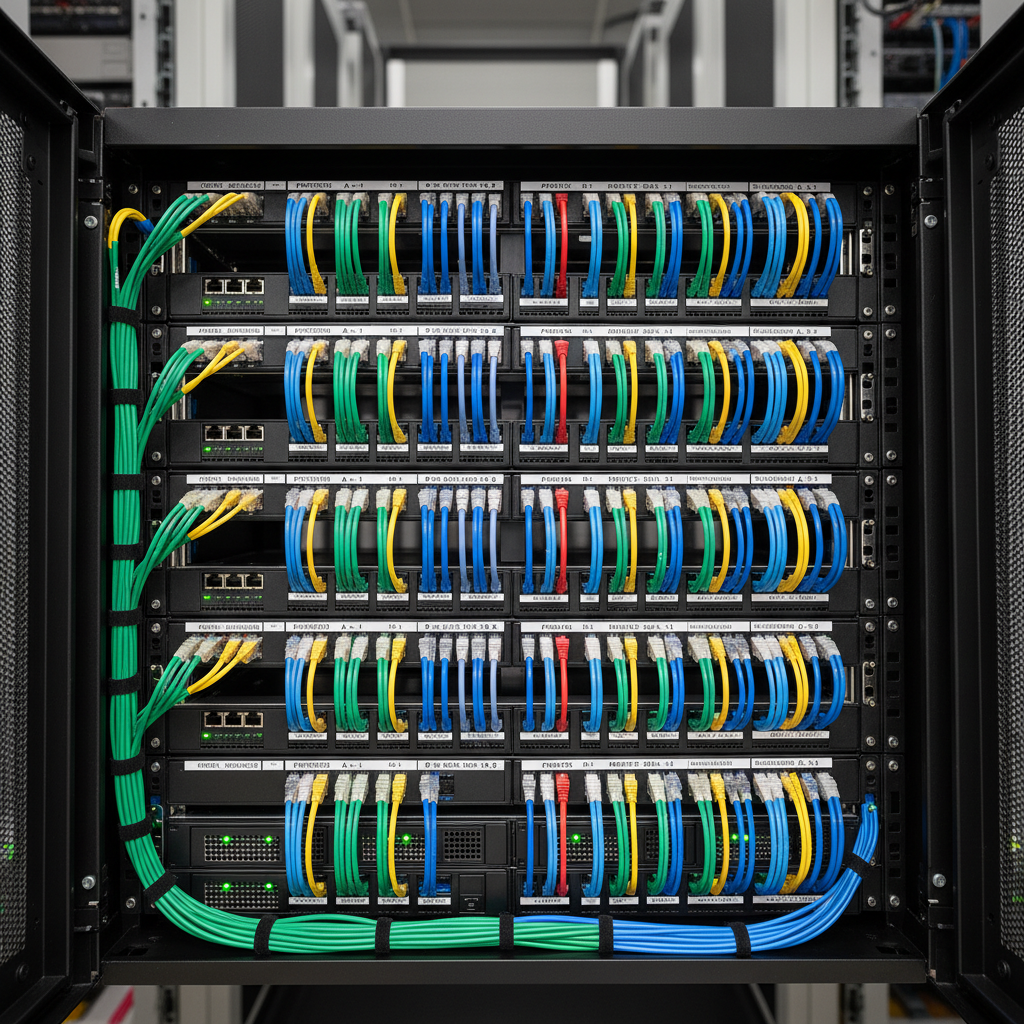
Investing in Robust Infrastructure
One of the foundational aspects of a resilient carrier network is robust infrastructure. This includes upgrading existing facilities and expanding fiber optic networks throughout the state. These upgrades not only enhance speed and reliability but also prepare the network for future advancements like 5G technology.
Furthermore, implementing redundancy measures, such as backup power systems and alternative routing paths, can significantly reduce downtime during unexpected events. This proactive approach ensures continuous service and builds customer trust.
Leveraging Strategic Partnerships
Collaborating with local governments, technology providers, and industry leaders is another effective strategy. These partnerships enable carriers to share resources, knowledge, and expertise, leading to more innovative solutions and cost-effective implementations.

By working together, carriers can also address regulatory challenges and streamline processes, ensuring smoother operations and faster deployment of new technologies. This collaboration fosters a supportive ecosystem that propels the entire industry forward.
Embracing Emerging Technologies
Incorporating emerging technologies such as artificial intelligence (AI) and the Internet of Things (IoT) into network operations can greatly enhance resilience. AI can be used to predict network failures and optimize performance, while IoT devices provide real-time data for more informed decision-making.
These technologies not only improve network efficiency but also offer new opportunities for innovation and growth. By staying ahead of technological trends, carriers can maintain a competitive edge and provide superior service to their customers.

Focusing on Customer-Centric Solutions
Building a resilient carrier network also involves understanding and addressing customer needs. Offering flexible service plans, responsive customer support, and personalized solutions can significantly improve customer satisfaction and loyalty.
Additionally, regularly gathering feedback and conducting market research helps carriers stay attuned to evolving customer expectations and adapt their offerings accordingly. This customer-centric approach ensures long-term success in a competitive market.
Conclusion: A Path to Resilience
Building a resilient carrier network in Tennessee requires a multifaceted approach. By investing in infrastructure, forming strategic partnerships, embracing new technologies, and focusing on customer-centric solutions, carriers can create a robust network capable of withstanding challenges and seizing new opportunities.
As Tennessee continues to grow and evolve, those who prioritize resilience will not only meet the demands of today but will also be well-prepared for the future. By taking these steps, carriers can ensure a strong, reliable network that supports the state's progress and prosperity.