Freight Broker vs. Carrier: Understanding the Differences
DY
Introduction to Freight Brokers and Carriers
In the logistics and transportation industry, two key players are freight brokers and carriers. Both play crucial roles in ensuring goods are transported efficiently, but they have distinct functions and responsibilities. Understanding these differences is essential for businesses looking to optimize their supply chain operations.

What is a Freight Broker?
A freight broker acts as an intermediary between shippers and carriers. Their primary role is to connect businesses that need to transport goods with truck drivers or transportation companies willing to move those goods. Freight brokers do not own the trucks or employ the drivers; instead, they leverage their network to find the best match for each shipment.
Freight brokers handle the logistics of shipping, including negotiating rates, arranging pickup and delivery schedules, and ensuring all necessary documentation is in order. By doing so, they help shippers save time and money while maximizing carrier efficiency.
The Role of a Carrier
Carriers are companies or individuals who own and operate the trucks that physically transport goods from one location to another. They are responsible for the actual movement of freight and ensuring that shipments are delivered on time and in good condition.

Carriers can be large companies with extensive fleets or small owner-operators with a single truck. Regardless of size, carriers must comply with safety regulations, maintain their vehicles, and manage their drivers' schedules to ensure efficient operations.
Key Differences Between Brokers and Carriers
Ownership and Operations
Brokers do not own any transportation equipment; they focus on connecting shippers with carriers. Carriers, on the other hand, own the trucks and are responsible for the physical transport of goods.
Responsibilities
While brokers focus on logistics and coordination, carriers concentrate on the actual transportation and delivery of goods. Brokers manage contracts and negotiate rates, whereas carriers execute the transportation plans and manage on-road operations.
Revenue Model
Brokers earn a commission by charging a fee for their matchmaking services. This fee is typically a percentage of the total shipping cost. Carriers earn revenue directly from the transportation services they provide, which is often influenced by distance, weight, and type of cargo.
When to Choose a Freight Broker or Carrier
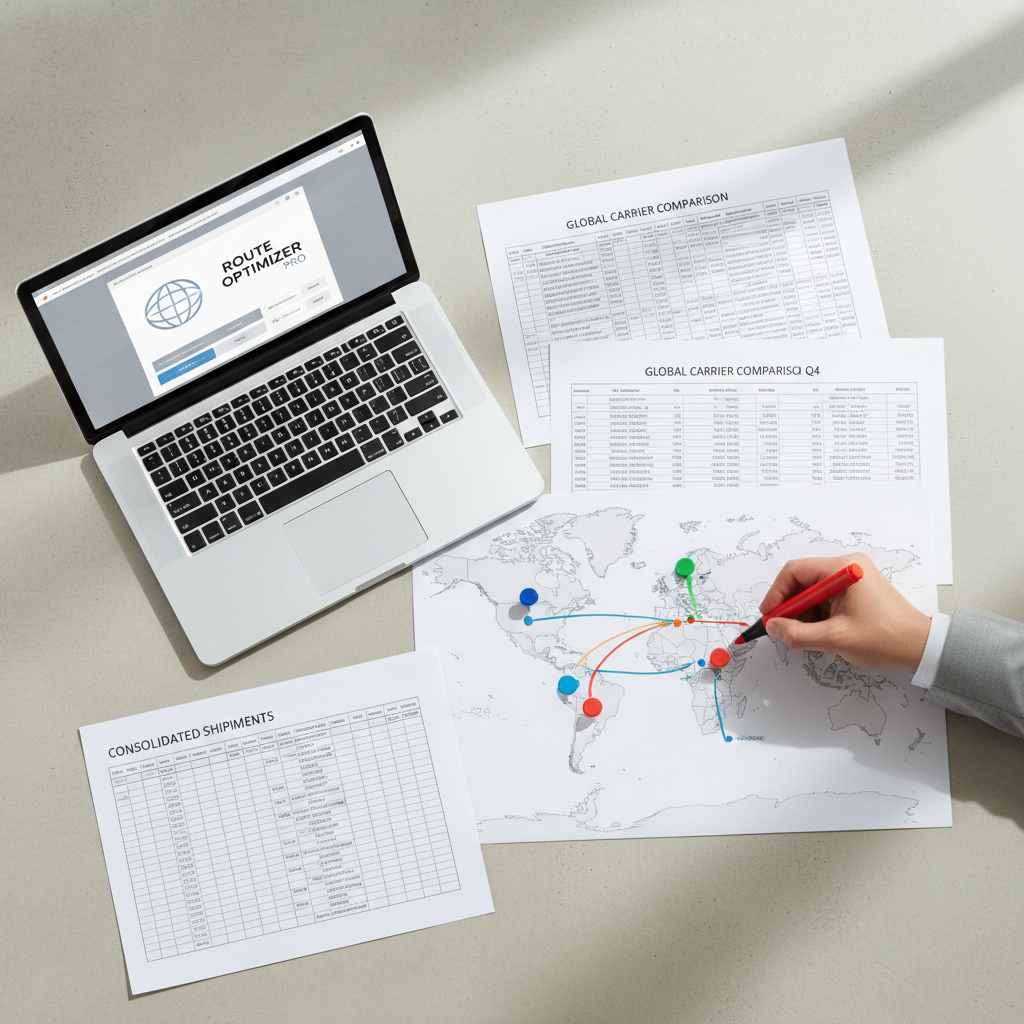
Choosing between a freight broker and a carrier depends on your specific needs. If you require flexibility and access to a broad range of transportation options, working with a broker might be the best choice. They can provide multiple quotes and negotiate competitive rates.
If you have a straightforward shipping requirement and prefer direct communication with the party transporting your goods, partnering directly with a carrier could be more beneficial. This approach often results in more transparent pricing and potentially faster service.
Conclusion
Understanding the differences between freight brokers and carriers can significantly impact your logistics strategy. Both have their advantages and can offer unique benefits depending on your business needs. By choosing the right partner, you can enhance your supply chain efficiency and ensure timely delivery of your products.