Exploring Enterprise Transportation Programs: A Comprehensive Guide
DY
Understanding Enterprise Transportation Programs
As businesses grow, the need for efficient transportation solutions becomes increasingly important. Enterprise transportation programs offer comprehensive solutions that cater to the diverse needs of organizations, ensuring that employees and goods are transported effectively and efficiently. These programs can significantly impact a company's bottom line by improving productivity and reducing costs.
Enterprise transportation programs are designed to streamline operations, enhance logistics, and provide better support for employees. Whether it's through fleet management or employee commuting solutions, these programs are tailored to fit the unique requirements of each business.

Key Components of Enterprise Transportation Programs
One of the primary components of enterprise transportation programs is fleet management. This involves the acquisition, maintenance, and operation of vehicles used to transport goods and employees. Fleet management solutions can include real-time tracking, route optimization, and vehicle maintenance scheduling.
Another essential component is employee commuting solutions. These solutions help manage and optimize employee transportation, often offering carpooling, shuttle services, and public transportation subsidies. By providing these options, companies can reduce their carbon footprint and enhance employee satisfaction.

The Role of Technology in Transportation Programs
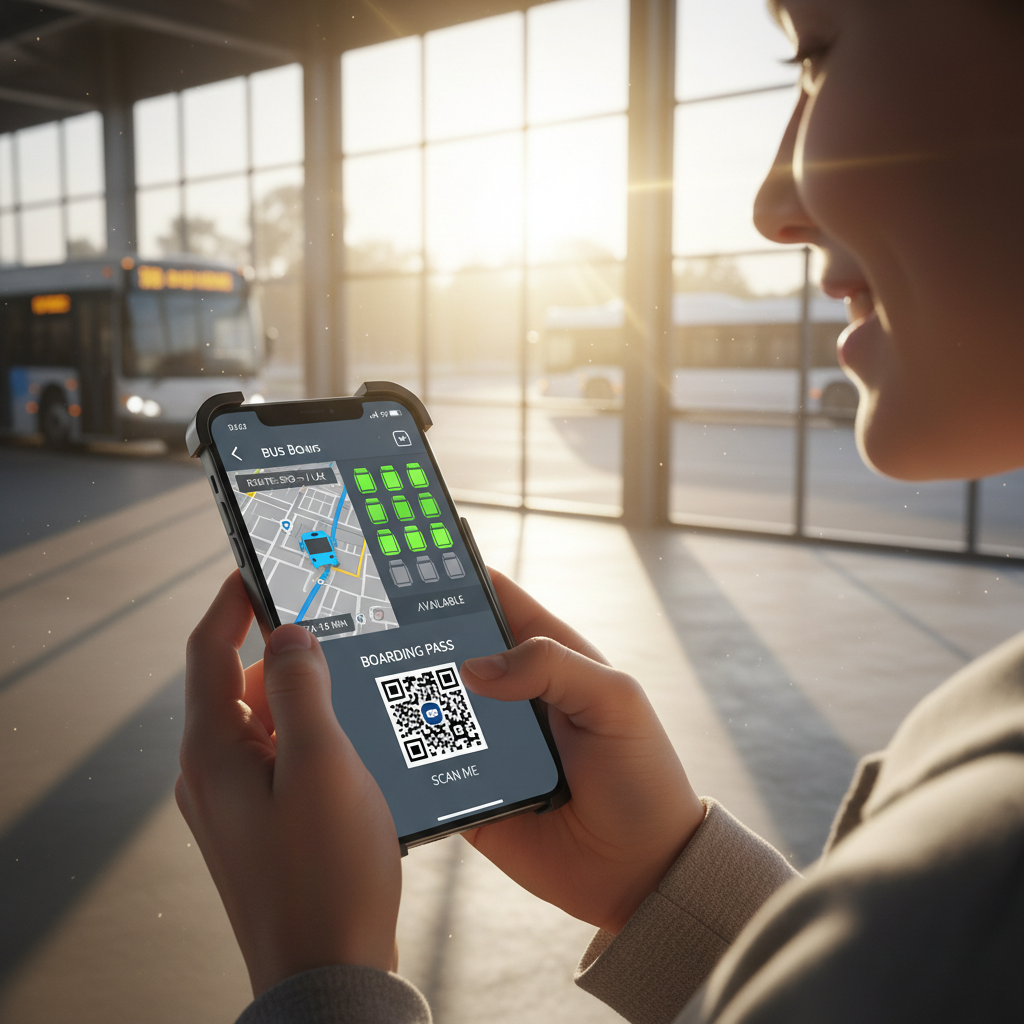
Technology plays a vital role in the success of enterprise transportation programs. Advanced software solutions enable real-time tracking and data analysis, allowing businesses to make informed decisions. Technologies like GPS, telematics, and mobile applications facilitate efficient fleet and commuter management.
Implementing these technologies can lead to significant cost savings and improved operational efficiency. Companies can monitor vehicle usage, optimize routes, and ensure compliance with safety regulations, all while reducing fuel consumption and emissions.
Benefits of Implementing Transportation Programs
There are numerous benefits to implementing enterprise transportation programs. Companies can experience reduced operational costs, improved employee productivity, and enhanced environmental sustainability. By optimizing transportation logistics, businesses can also improve their supply chain efficiency.
Additionally, offering robust commuting solutions can lead to higher employee morale and retention rates. When employees have reliable and convenient transportation options, they are more likely to arrive on time and be more engaged in their work.
Challenges and Considerations
While the benefits are significant, implementing an enterprise transportation program comes with its challenges. Businesses must consider the initial investment, ongoing maintenance, and potential resistance from employees used to traditional commuting methods.
To overcome these challenges, it's crucial to conduct thorough research and planning. Engaging with stakeholders and employees during the planning phase can lead to more successful adoption and implementation of the program.

Conclusion
Enterprise transportation programs offer a strategic advantage for businesses looking to optimize their operations and support their workforce. By understanding and leveraging these programs, companies can achieve greater efficiency, sustainability, and employee satisfaction.
As technology continues to evolve, the potential for innovation within these programs will only grow, offering even more opportunities for businesses to enhance their transportation strategies.