Enhancing Asset-Based Trucking Operations with Technology Integrations
DY
In today's fast-paced logistics environment, asset-based trucking companies are increasingly turning to technology integrations to enhance operations. The integration of advanced technologies offers numerous benefits, from improved efficiency to enhanced safety and compliance. By leveraging these tools, trucking companies can stay competitive and deliver exceptional service.

Streamlining Fleet Management
One of the primary advantages of technology integration is the ability to streamline fleet management. Modern fleet management systems provide real-time data on vehicle location, fuel consumption, and maintenance needs. This information empowers managers to make informed decisions, optimize routes, and reduce operational costs.
Moreover, predictive maintenance tools can analyze data from various sensors to forecast potential vehicle issues. This proactive approach helps prevent unexpected breakdowns and extends the lifespan of fleet assets. By minimizing downtime, companies can achieve greater productivity and customer satisfaction.

Enhancing Driver Safety and Compliance
Safety is a top priority in the trucking industry, and technology plays a crucial role in enhancing driver safety. Advanced driver-assistance systems (ADAS), such as collision avoidance and lane departure warnings, help reduce accidents and protect drivers. These systems not only improve safety but also contribute to lower insurance premiums.
In addition, electronic logging devices (ELDs) ensure compliance with hours-of-service regulations. By automating the tracking of driving hours, ELDs help prevent driver fatigue and reduce the risk of violations. This compliance not only enhances safety but also improves the company's reputation and reliability.

Optimizing Route Planning and Delivery
Route optimization technology is revolutionizing the way trucking companies plan deliveries. By analyzing traffic patterns, weather conditions, and road closures, these systems create the most efficient routes for each delivery. This optimization reduces fuel consumption, delivery times, and operational costs.
Additionally, real-time tracking and communication tools enable companies to provide accurate delivery estimates and updates to customers. This transparency enhances customer satisfaction and builds trust, fostering long-term relationships with clients.

Data-Driven Decision Making
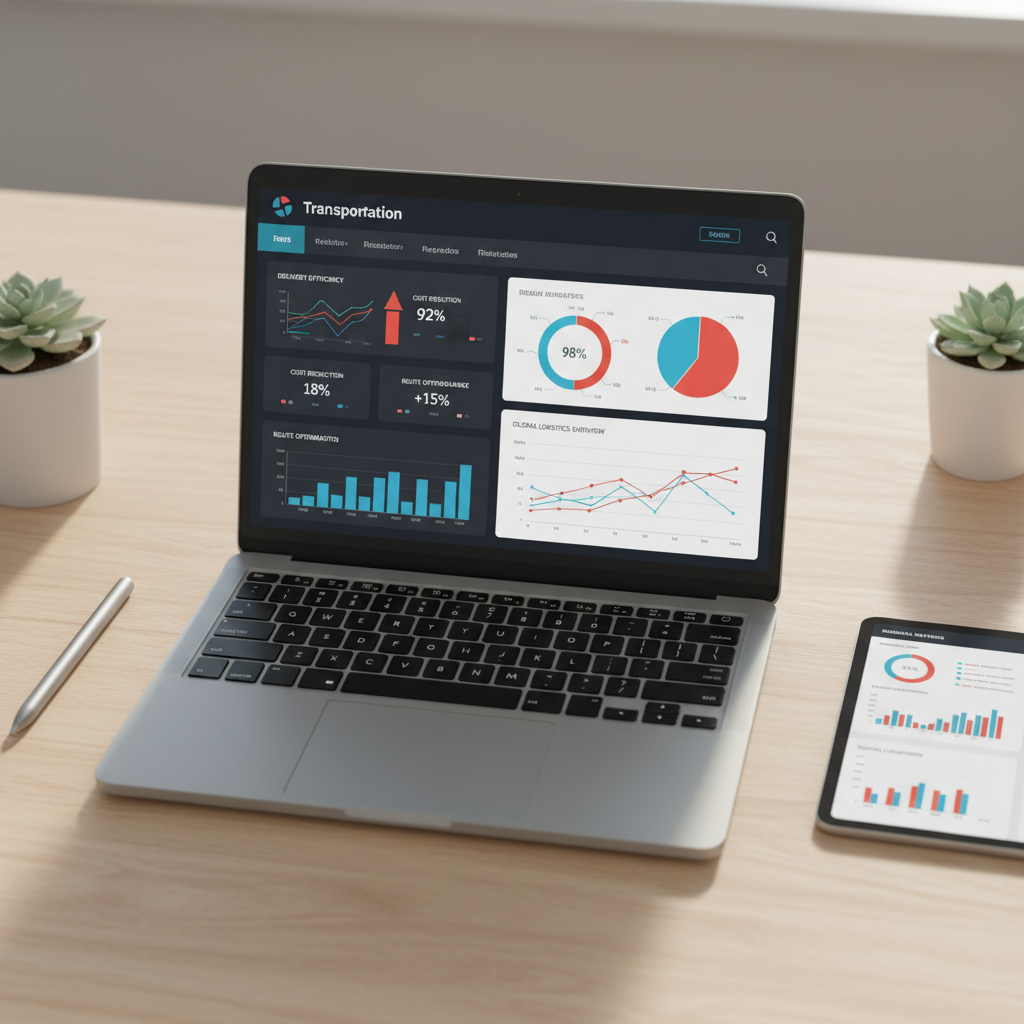
The integration of technology in trucking operations generates a wealth of data that can drive strategic decision-making. By analyzing this data, companies can identify trends, optimize processes, and uncover new opportunities for growth. Key performance indicators (KPIs) such as fuel efficiency, on-time delivery rates, and maintenance costs can be tracked and improved over time.
Furthermore, data analytics can help companies forecast demand and adjust operations accordingly. This agility ensures that resources are allocated efficiently, leading to better service and increased profitability.
Conclusion
Incorporating technology into asset-based trucking operations is no longer optional—it's essential for success. From enhancing fleet management and driver safety to optimizing routes and making data-driven decisions, technology integrations offer a competitive edge in the logistics industry. By embracing these advancements, trucking companies can achieve greater efficiency, safety, and customer satisfaction, paving the way for a prosperous future.